
CKD shoe kits configured for your local assembly line.
ZWC coordinates matched uppers, soles, insoles and required components from China, then controls BOM, trial assembly, size allocation, packing and production evidence for footwear factories completing assembly in their own market.
What are CKD shoes?
CKD shoes are complete knock-down footwear kits shipped as separated components for final assembly in the destination market. A kit may include stitched uppers, outsoles, midsoles, insoles, laces, counters, toe puffs, labels and packing. The exact split depends on the buyer’s local machinery, labor and customs requirements.
CKD is not one globally standardized pack. Some buyers import a finished upper and sole unit and perform lasting and sole attaching locally. Others need more components and operations. The supplier must first map the destination factory’s process so every component, size and assembly reference arrives in a usable configuration.
Four controls before a CKD shipment scales
Define local operations
List available lasts, ovens, presses, roughing, cementing, sewing and inspection capabilities, plus operations the China supplier must complete.
Freeze every component
Assign part numbers, materials, colors, sizes, left/right logic, quantities, tolerances and approved references.
Run a pilot assembly
Test upper-last-sole fit, adhesive system, preparation, pressing, finish and work instructions before bulk packing.
Control size sets
Reconcile components by style, color, size and carton so the destination line is not stopped by one missing part.
What can be included in a CKD footwear kit?
| Component | Key matching point | Approval evidence |
|---|---|---|
| Stitched upper | Last shape, feather edge, size marking, lasting allowance and reinforcement. | Upper measurement and trial lasting. |
| Outsole / sole unit | Last bottom, bond margin, surface preparation, size grading and compound. | Fit check, surface method and approved sole sample. |
| Insole / sockliner | Length, width, thickness, contour, branding and size identification. | Dimensioned sample and size set. |
| Counter / toe puff | Shape, stiffness, activation and compatibility with local process. | Material reference and assembly trial. |
| Laces / trims / labels | Length, color, regulatory text, placement and count. | Approved trim card and artwork. |
| Adhesive / primer guidance | Material system, preparation, climate, open time and local availability. | Process trial; qualified technical confirmation. |
| Packing and work instructions | Part traceability, left/right, size/color/carton quantities and line sequence. | Golden kit, BOM and carton reconciliation. |
The risks are in the interfaces
Upper and sole do not fit
A matching size label does not prove matching geometry. Trial the intended last, upper and sole together.
One component stops the line
CKD counts must reconcile by style, color, size and left/right—not only total pieces.
Local adhesive process fails
Surface preparation, adhesive, primer, temperature, pressure and open time must be validated locally.
Tariff assumption is wrong
CKD/SKD treatment, HS classification, origin and local-content rules vary. Obtain written advice from the destination customs professional before ordering.
Buyer-side coordination across multiple component suppliers
- Translate the local line map into a China-side supply boundary.
- Build a controlled BOM and sample revision register.
- Coordinate upper, sole, insole, trims and packaging sources.
- Normalize quotations, tooling, MOQ, test and packing assumptions.
- Organize pilot kits and close assembly issues before bulk.
- Follow production milestones and component shortages.
- Inspect component identity, counts, workmanship and carton allocation.
Every revision is translated into a controlled next action.
CKD footwear development creates many small interfaces between the buyer, upper factory, sole supplier and local assembly line. ZWC records material decisions, checks the upper pattern, consolidates sample comments and follows each open point until the responsible supplier confirms the correction. The aim is a usable approval trail—not a stream of disconnected messages.
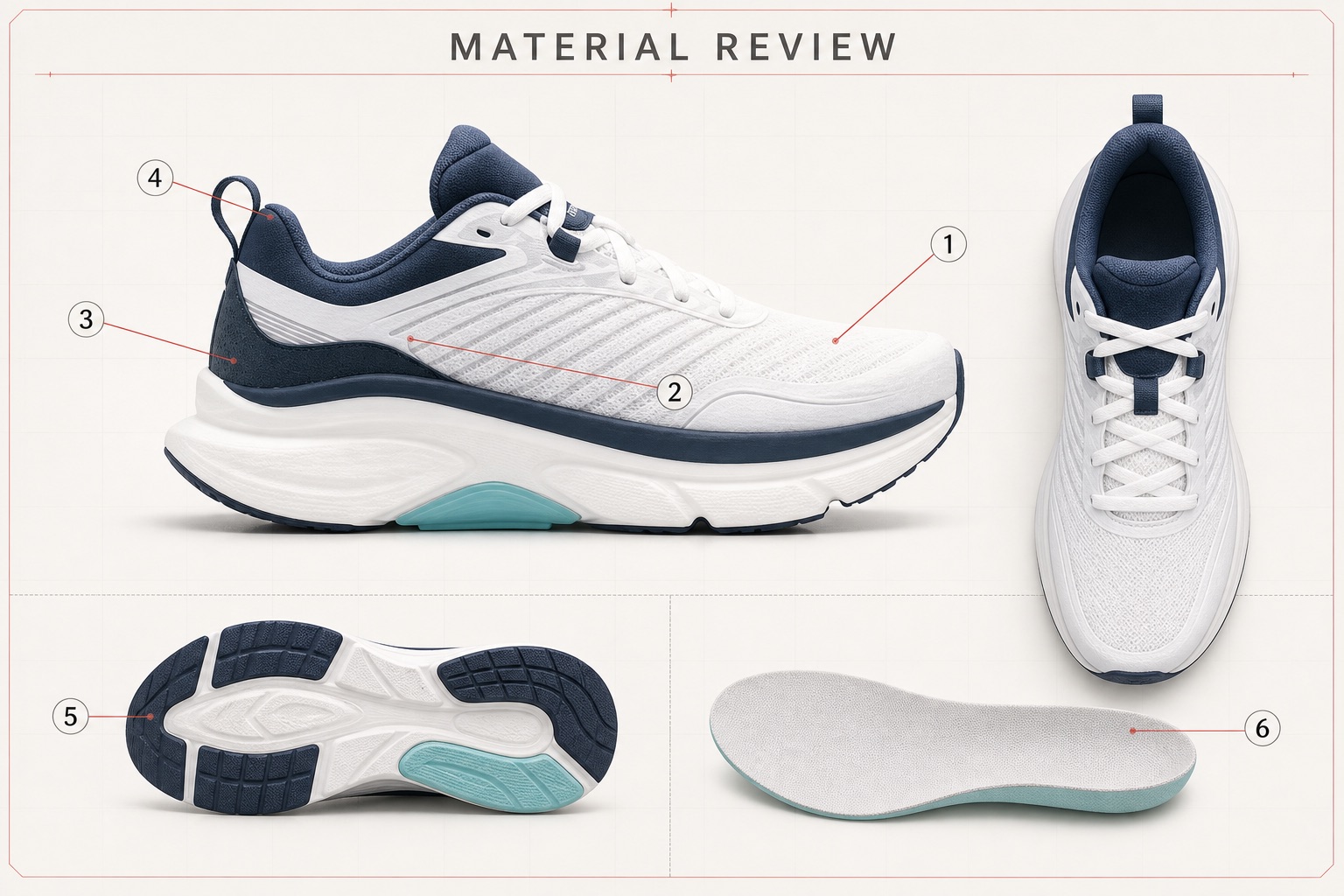
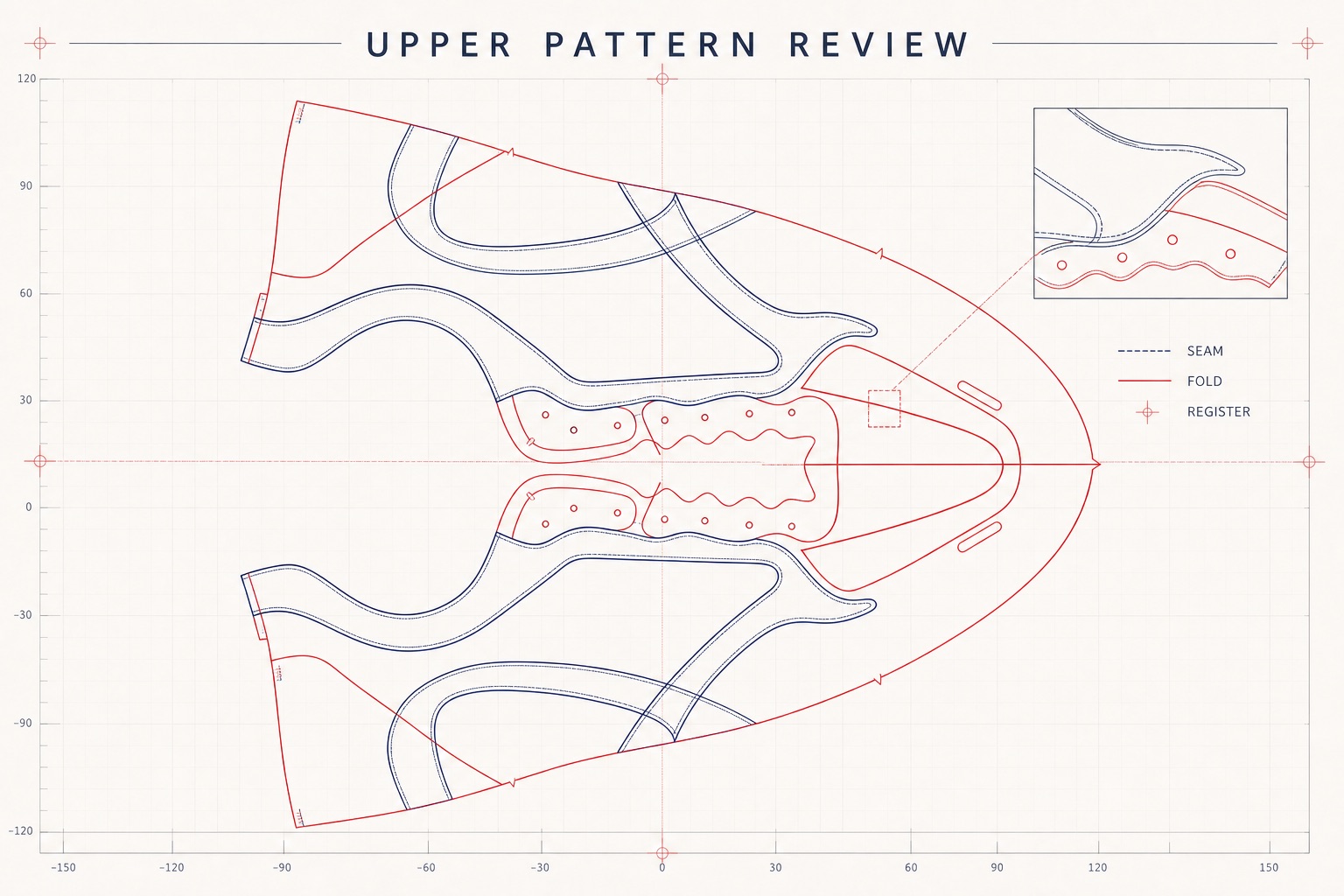
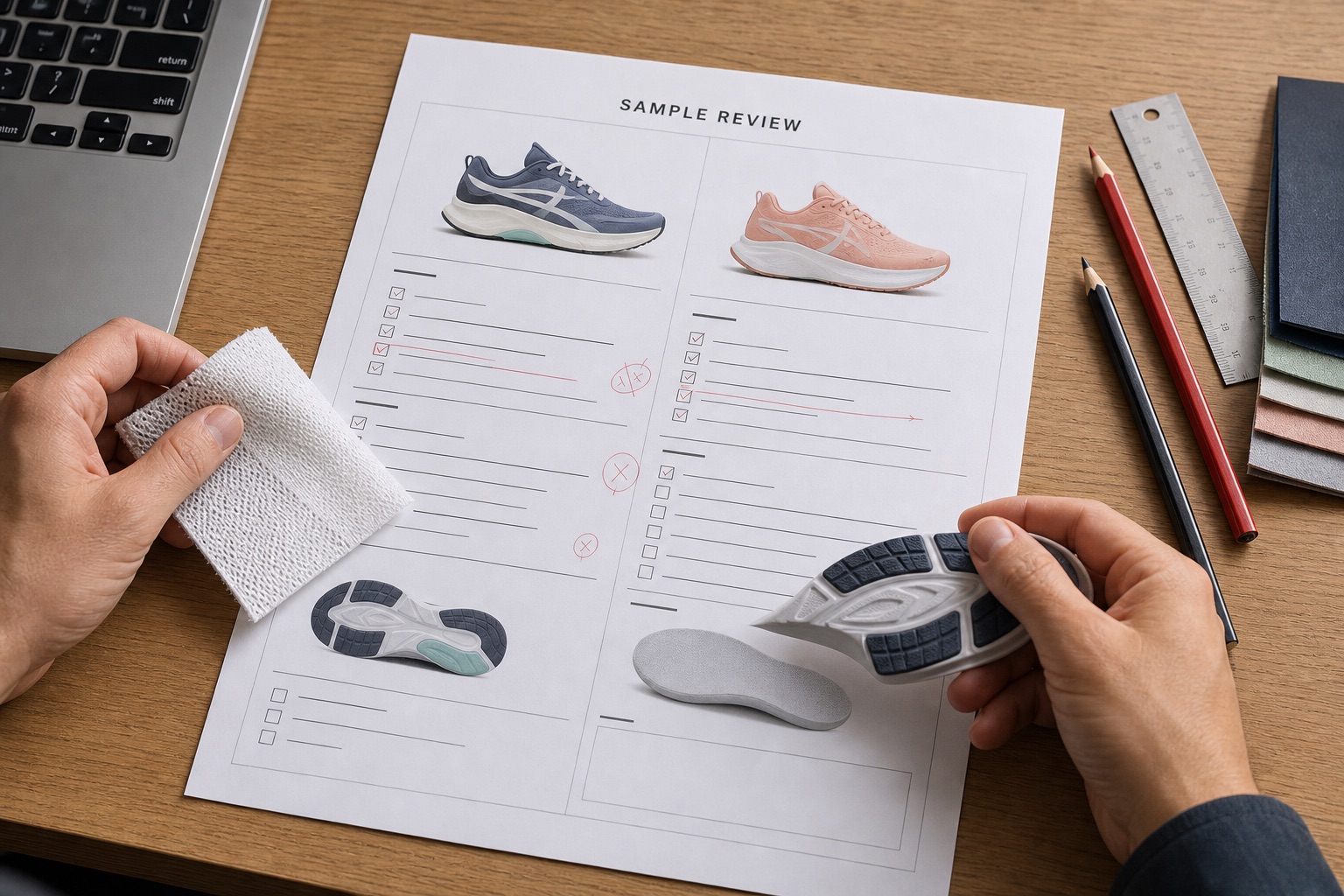
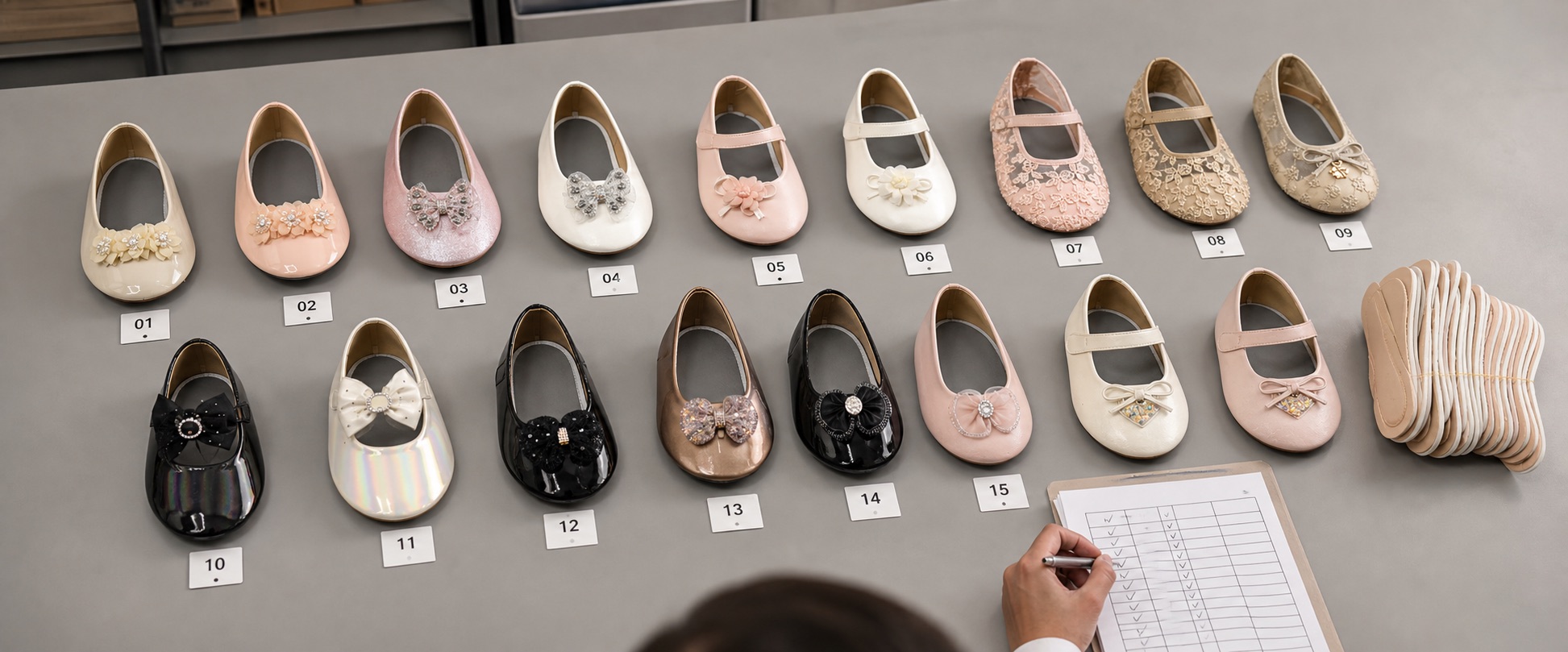
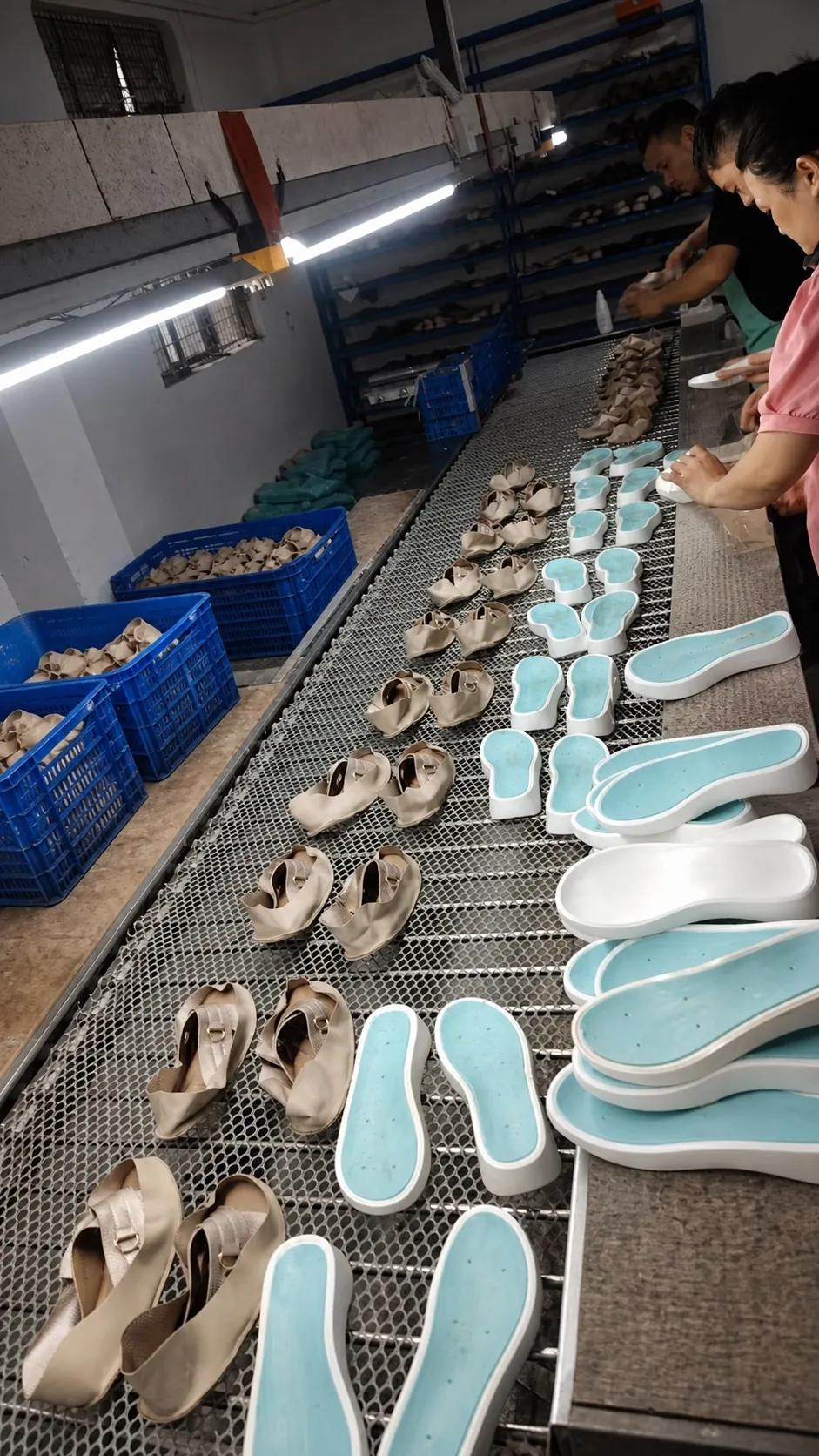
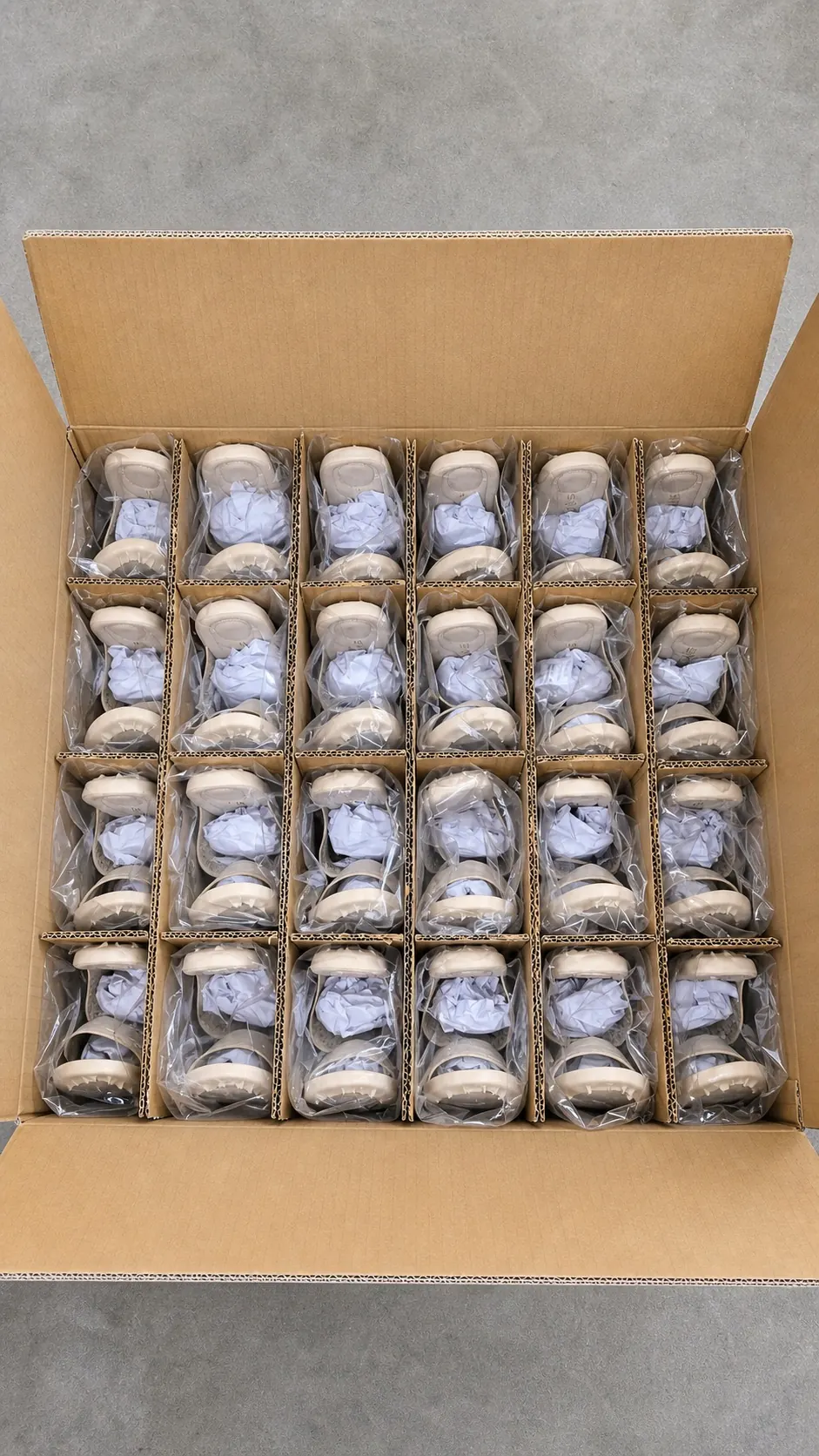
Follow-up at the line—and inside the export carton.
A CKD order is not controlled by a BOM alone. ZWC follows the actual upper-and-sole pairing, work sequence, size allocation, protective packing and carton separation so the buyer receives components that can move into local assembly with fewer surprises.
CKD footwear FAQ
What is the difference between CKD, SKD and finished shoes?
CKD generally involves more separated components and more local assembly; SKD generally arrives partially assembled; finished shoes require no manufacturing assembly. Exact treatment is market-specific, so commercial documents and customs classification must reflect the real condition of the goods.
Can ZWC provide only uppers and outsoles?
Yes, if that split matches the buyer’s local assembly capability and the components pass a trial together. The proposal should state which party supplies lasts, insoles, counters, adhesives, trims and packaging.
How should CKD kits be packed?
The packing plan should match the destination line: by style/color/size or defined production batch, with visible part numbers, left/right control, quantity reconciliation and a golden reference kit. Loose total quantities create avoidable shortages.
Can CKD reduce import duty?
It may affect duty, origin or local-content treatment in some jurisdictions, but ZWC does not give customs or legal determinations. Confirm classification and eligibility with the destination customs authority or a qualified broker before the supply configuration is finalized.
Send the assembly process, shoe and size plan.
We will identify the component boundary, trial requirements, supplier inputs and packing controls needed for a comparable CKD proposal.