
Country & market research
We clarify the destination market, climate, regulations, price expectations, buying habits and the commercial realities that influence the product.
- Destination
- Compliance
- Price band
- Customer expectations
As a buyer-side China sourcing office, we learn where you sell, who you compete with and what your customer expects before contacting factories. Then we turn that market context into product specifications, a production solution, supplier selection criteria and a controlled sourcing plan.
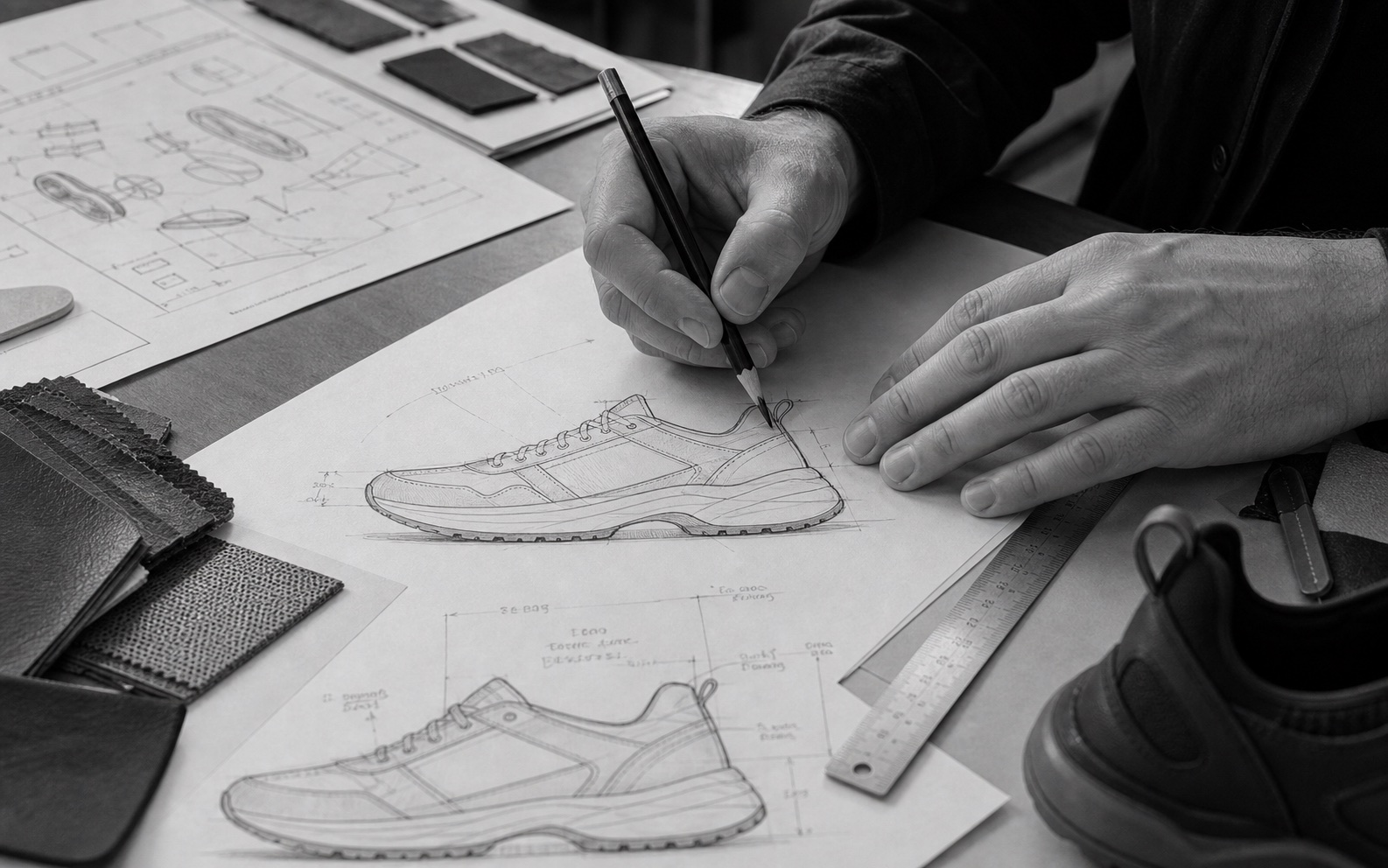
The buyer-side principle
Supplier search is not the starting point.A vague brief creates quotes that cannot be compared, samples that solve the wrong problem and revisions that consume time without improving the product.
The sourcing brief is a business decision.Price, materials, construction, compliance, packaging and MOQ must make sense for your market—not only for the factory producing them.
We build context first, then translate it into practical choices the supply chain can execute and the buyer can evaluate.
We clarify the destination market, climate, regulations, price expectations, buying habits and the commercial realities that influence the product.
A distributor, retailer, project buyer and online brand need different margin structures, packaging, assortment depth, MOQs and replenishment plans.
We compare relevant products, specifications, positioning and visible construction choices to identify what must match, what can change and where differentiation is worth paying for.
Commercial requirements become a target specification, material and process options, cost priorities, quality criteria and a recommended production route.
The format changes with each project, but the purpose stays the same: make the important trade-offs visible before suppliers price or sample the wrong product.
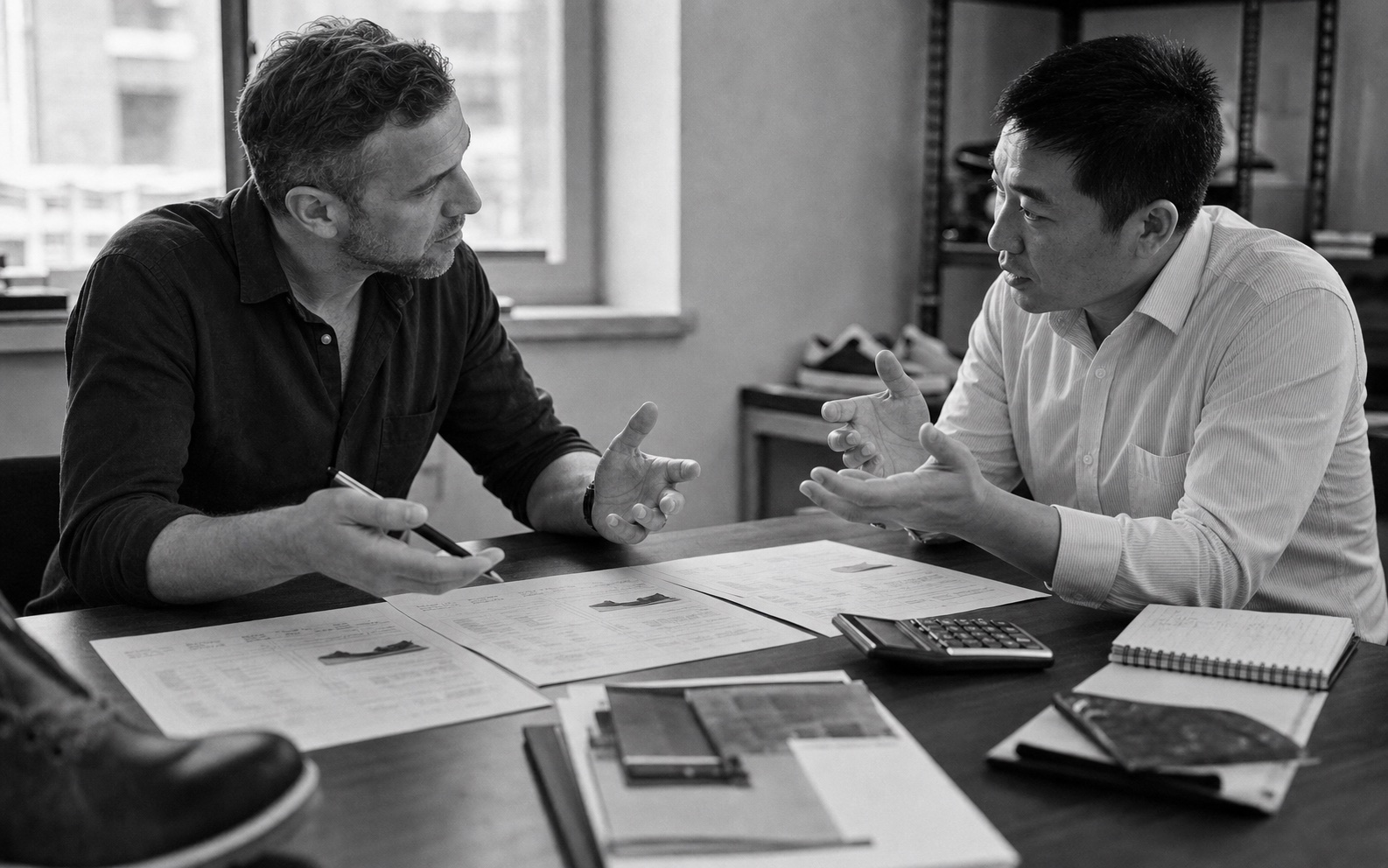
A supplier list is not a sourcing strategy. The value is knowing which direction deserves your capital.
What professional sourcing changes
A professional sourcing office should not add another layer between buyer and factory. It should remove uncertainty, make trade-offs visible and leave the client better prepared for every order that follows.

A buyer can find hundreds of factories through Alibaba, 1688 or social media. The difficult part is deciding which production route and supplier are right for the product, market and order—not collecting more contact details.

“We found five factories” only reports work performed. A useful sourcing result explains why suppliers were rejected, what causes the differences between viable options, which route ZWC recommends and how the decision will be controlled.
Five supplier names, five prices and a buyer left to interpret the risk.
Two qualified options, the reason for the cost gap, a recommended route and defined quality gates.

Repeat business is earned when project knowledge becomes a client asset. ZWC carries forward the standards, exceptions, supplier evidence and delivery history that would otherwise disappear across emails and staff changes.
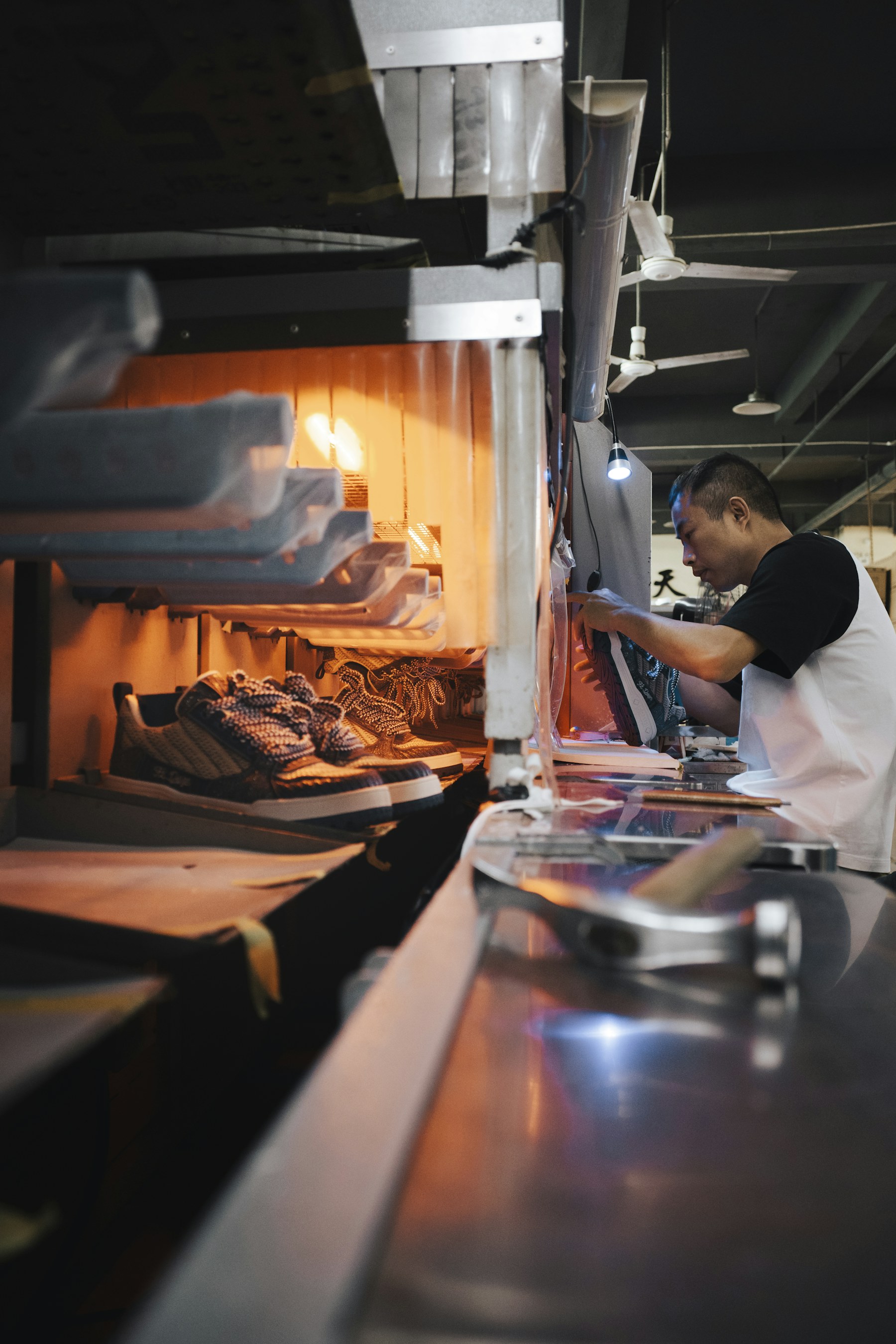
“We can source anything” is not a credible starting point. ZWC begins where manufacturing knowledge is strongest—footwear, components, handbags, apparel and selected industrial products—then applies the same decision discipline to adjacent categories when the required capability is clear.
Category depth → transferable process → responsible expansion
From decision to delivery
Every stage produces a decision-ready output—from market research and product development to supplier verification, quotation comparison, quality control and shipping from China.
Phase A
Clarify country, channel, customer, price position, requirements and business constraints.
Output · Market & requirement briefBuild your sourcing briefStudy relevant competitors and products to frame the viable specification, value proposition and cost range.
Output · Competitive benchmarkPhase B
Compare material, construction and process routes; define quality criteria, target cost and the decisions that need buyer approval.
Output · Product direction & production planPhase C
Supplier sourcing and verification assess factory identity, process fit, capacity and cooperation risk. Quotation comparison then tests should-cost, MOQ, lead time, payment terms and exclusions—not price alone.
Output · Supplier recommendationExplore the supplier mapManage product development revisions and confirm materials, construction, performance, colour, branding and packaging against the agreed specification.
Output · Approved sample & specificationPhase D
Translate approvals into supplier-ready SOPs, run production follow-up, track critical milestones and coordinate quality control and pre-shipment inspection before the balance or shipment is released.
Output · SOP, reporting & QC evidenceCoordinate suppliers, shipping consolidation, loading, freight and China export documents so the physical order and its paperwork arrive as one controlled result.
Output · Shipment & delivery fileShort, direct answers for importers, brands, retailers and procurement teams evaluating how to source products from China with less uncertainty.
A professional China sourcing agent or sourcing office can manage supplier sourcing and verification, quotation comparison, product development, sampling, production follow-up, quality control, pre-shipment inspection coordination, shipping consolidation and trade documents.
ZWC first defines the target market, product specification and production route. We then compare China suppliers by process fit, factory capability, capacity, MOQ, lead time, commercial terms, should-cost and cooperation risk.
Normalize every supplier quotation against the same specification, quantity, packaging, Incoterm, currency and quality requirements. Then compare unit price, MOQ, tooling, sample cost, lead time, payment terms, exclusions and landed-cost implications together.
Quality control begins before production by locking the approved sample, specification, tolerances, packaging and inspection plan. Production follow-up checks critical milestones; pre-shipment inspection verifies finished goods and evidence before the buyer releases shipment.
ZWC focuses on categories where material and process knowledge improve supplier decisions: women's footwear, footwear components, handbags, apparel and accessories, plus selected industrial products.
Materials and manufacturing processes are not details added after the price. They determine performance, appearance, consistency, lead time, MOQ and total landed cost.
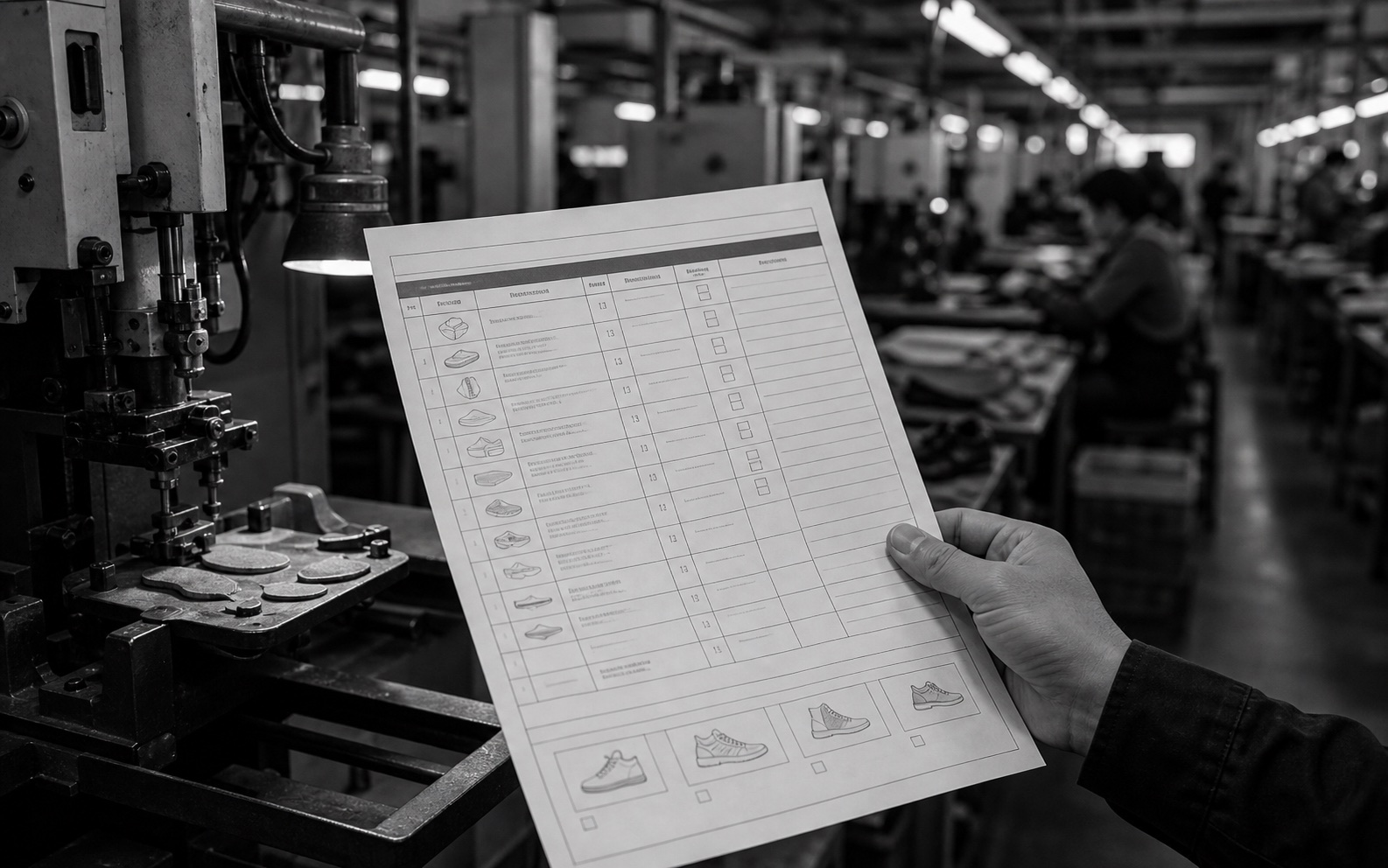
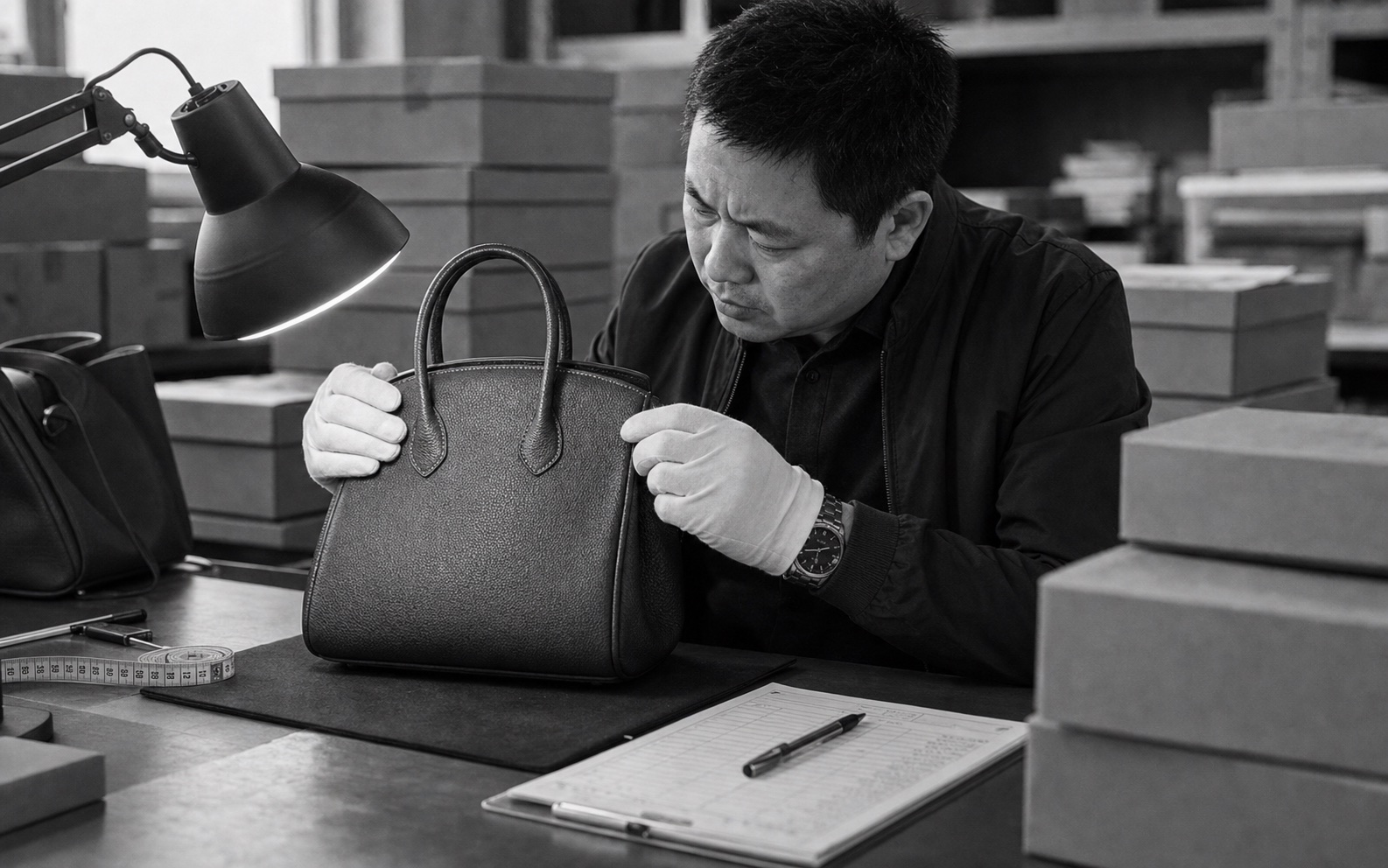
Prevent incomparable quotes by aligning the market objective, specification, material route and commercial assumptions.
Choose which product direction deserves development instead of paying for revisions across weak or unsuitable options.
Lock the approved sample, tolerances, packaging, quality standard, delivery plan and escalation points.
Verify the goods, quantities, documents and consolidation plan while corrective action is still possible.
Tell us where you plan to sell, your target customer, price position and the alternatives you are considering. We will start by defining the right questions.

ZWC is a founder-led China sourcing office backed by real manufacturing experience. We help overseas buyers source footwear, handbags, apparel, components and selected industrial products from China.