
Quick answer
Start with the hospital's official international-patient channel, not a travel booking or a promised saving. Confirm the receiving department, appointment status, language support, itemized estimate and report arrangements. Ask a qualified healthcare professional whether the proposed care and travel are appropriate for you. An administrative consultation cannot establish a diagnosis, guarantee access or determine whether treatment abroad is the right decision.
Who this guide is for
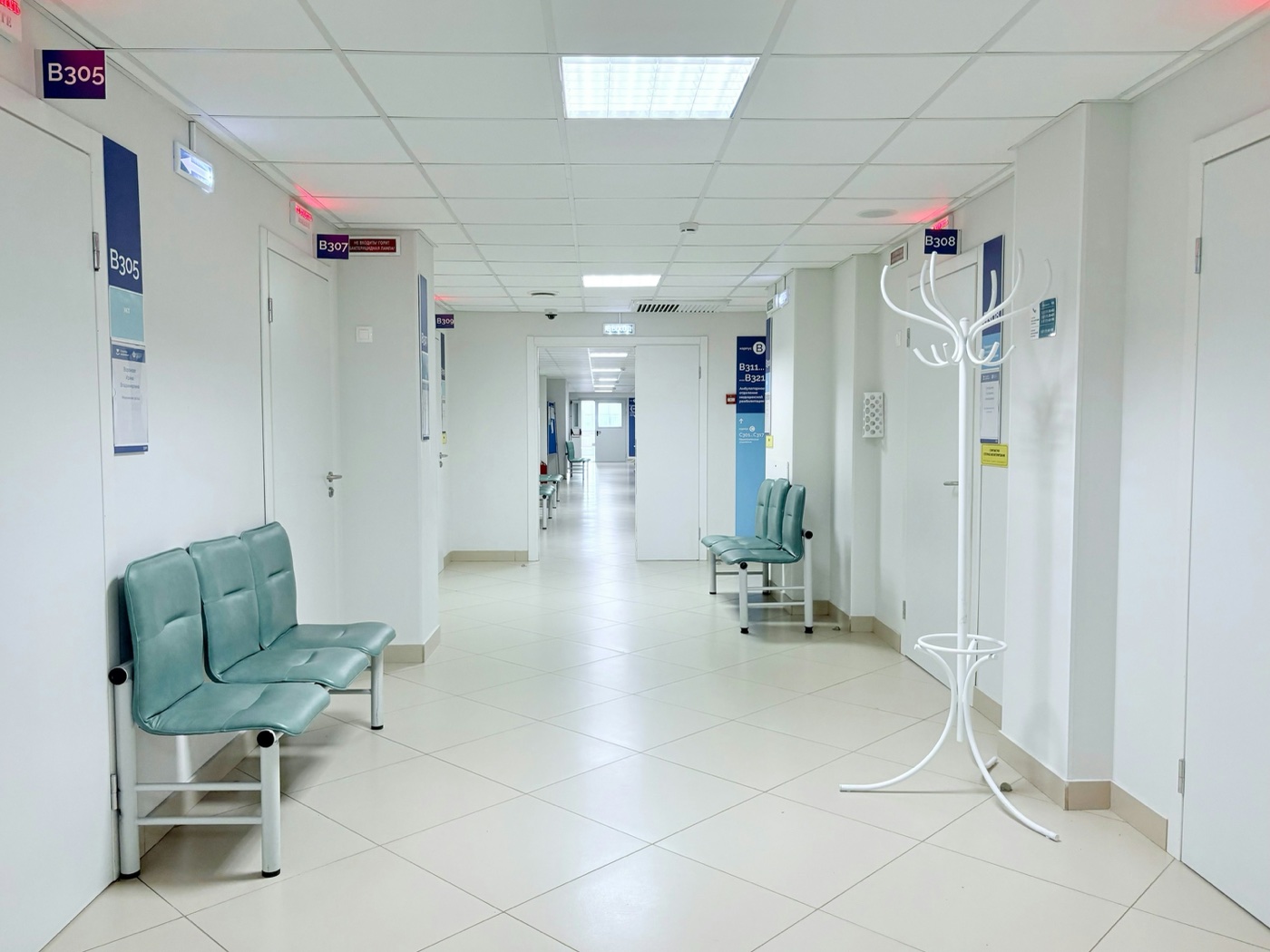
Photo context: The photographs are licensed illustrative stock, not images of a Chinese hospital, PUMCH, ZWC facilities or a partner institution. Their appearance does not establish service availability or quality.
This guide is for adults researching a planned hospital consultation or health-service visit in China. It helps organize administrative questions before committing money or travel time. It is not a recommendation for a hospital, a medical assessment or an instruction to leave your current care team.
The useful first question is narrower than “Which country has the best healthcare?” Ask which institution can receive your enquiry, what service you are enquiring about, and what still needs clinical review. A city name or an international-service label does not settle those questions.
An official channel is more useful than an attractive promise
Some Chinese institutions publish dedicated information for international patients. For example, Beijing's official service guide describes an international-patient appointment route at Peking Union Medical College Hospital, including an English interface in its official app. This is an example of a documented access channel, not proof of availability for a particular patient or a relationship with this article's publisher.
Read the institution's current instructions directly. Identify the department and campus rather than assuming the hospital name describes one booking process. Ask whether the enquiry has been received, whether any information is missing and whether an appointment has actually been confirmed. Treat a message saying “we will review” differently from a confirmed date.
Define what you want to ask before comparing providers
Prepare a short, non-sensitive enquiry describing the administrative information you need. You might want to understand consultation booking, language support, a provider's health-check service, or how its international department handles estimates. These are different requests and may reach different teams.
Do not assume a general enquiry establishes suitability for a procedure. That decision requires clinical evaluation. Avoid putting detailed health history into public comments or an ordinary marketing form. If a hospital requests medical records, ask who will receive them and use the appropriate authorized channel.
Keep your administrative questions separate from the questions you want a clinician to answer. This makes it easier to identify whether a coordinator is helping with arrangements or offering medical advice beyond their role.
Build a confirmation sheet, not a brochure collection
The following is a planning tool. The entries are information to obtain, not claims that any hospital has already agreed to provide them.
| Decision | Ask the provider | Record the status |
|---|---|---|
| Access | Which department, campus and booking channel apply? | Confirmed channel or enquiry still being routed |
| Appointment | Is the date confirmed or only requested? | Written confirmation and outstanding actions |
| Language | What support covers the appointment and later reports? | Included support, separate arrangement or unknown |
| Estimate | Which services and exclusions are listed? | Itemized estimate with issue date |
| Results | In what language and format are reports provided? | Delivery arrangement and discussion contact |
| Coordination | Which questions belong with the hospital or a clinician? | Named responsibility, not an assumed promise |
If a row remains unknown, decide what can reasonably proceed without it. A translation question may need another administrative message; an unresolved question about suitability belongs with a healthcare professional. Do not resolve either by guessing from reviews or photos.
Compare the whole journey before saying it is cheaper
A meaningful comparison needs a defined service and payment basis. A domestic public-department fee is not automatically a quote for an international department. A cash price abroad also cannot be compared fairly with a headline charge at home without knowing the patient's actual insurance arrangement.
Use separate lines for the provider's estimate, separately arranged interpretation, transport, accommodation and the expected administrative arrangements after the visit. Mark items as included, excluded, estimated or not yet quoted. This is a budgeting structure, not a suggested treatment plan or a claim that every item will apply.
Ask how deposits, exclusions and changed scope are handled in the specific provider's terms. Do not convert an estimate into a final bill or assume that an attractive package includes every possible service. If there is no matched estimate from both options, leave the cost comparison unresolved rather than manufacturing a saving percentage.

Separate booking speed from the rest of the timeline
An appointment date answers one part of the scheduling question. Ask separately about any provider-directed preparation, later appointments, report delivery and administrative follow-up. A quick first consultation does not establish a complete care timeline.
Before purchasing travel that cannot easily be changed, establish which dates are fixed and which are estimates. Explain travel constraints to the provider, but do not let a return flight determine clinical decisions. Whether and when travel is appropriate must be discussed with qualified healthcare professionals for the actual situation.
The CDC's medical-tourism guidance emphasizes considering follow-up and insurance arrangements and discussing plans with healthcare professionals before travel. It is a general safety resource, not evidence that China is the best destination or that a particular provider is suitable.
Ask about language at each administrative handoff
“English available” is a starting point for further questions. Ask whether support applies to booking messages, the consultation, written documents and results discussion. Find out whether interpretation is included or arranged separately, and which person confirms the arrangement.
For reports, ask about the format your usual healthcare professional can receive. Keep the original documents and any appropriately prepared translation together. Do not assume an English summary substitutes for every underlying record, or that receiving a translated document is the same as receiving a clinical explanation.
Keep roles and relationships visible
A hospital, a treating clinician and a non-clinical coordinator have different responsibilities. A coordinator's ability to explain a booking process does not establish medical competence, guaranteed appointments or permission to recommend treatment.
Ask what support is actually offered, what it costs and who supplies it. A hospital mentioned in an article should not be read as a partner unless the relationship is explicitly supported. Photographs, testimonials and promotional language cannot substitute for a clear service scope.
Before you take the next step
Confirm the official channel, receiving department, appointment status, language arrangements and written estimate. List unanswered questions rather than treating them as included benefits. Discuss clinical suitability and travel with qualified professionals and organize the appropriate reporting and follow-up arrangements.
For a general information enquiry, email contact@zwcgo.com with only the city, preferred language and administrative question. ZWC's confirmed support is information and process consultation only, with no hospital partnerships, diagnosis, treatment or guaranteed appointments. Do not attach medical records, passports or images to that enquiry. Send any provider-requested sensitive records only through an appropriate authorized healthcare channel. Do not delay necessary local care while investigating a trip.
Primary sources
- Beijing government: PUMCH International Medical Services, rechecked 7 October 2026. This 2023 guide still describes official app access; readers must confirm the hospital's actual current instructions and availability directly. Hospital mention is not a partnership or endorsement.
- CDC Yellow Book: Medical Tourism, rechecked 7 October 2026; 2026 edition, page dated 23 April 2025. General planning and safety boundaries, not China-specific price evidence.
AI assisted with editorial organization and drafting, not the photographs. Hero photo by Tasha Kostyuk, Unsplash License. Both photographs are illustrative stock, not a Chinese hospital, PUMCH, ZWC facility or partner institution. No clinical reviewer, treatment result or hospital partnership is claimed. This is general non-clinical administrative information.