
Quick answer
A usable purchase specification converts buyer expectations into requirements that a supplier can build and a reviewer can verify. It should identify the product and revision, materials, dimensions and tolerances, construction, appearance, performance checks, labels, packaging, approved references, inspection rules and change control. If a requirement cannot be measured, compared, photographed or tested, it is not yet ready to control production.
The document is a decision tool, not a product description
Overseas buyers often send a supplier a reference photo, a sample and a list of adjectives: “premium,” “strong,” “same color,” or “export quality.” Those inputs can start a conversation, but they do not establish what the factory must reproduce or what should happen when the result differs.
A purchase specification has a narrower job. It creates a controlled basis for quotation, sampling, production and inspection. It should let the buyer, supplier and inspector answer the same questions:
- Which exact version are we making?
- What is mandatory, and what is only a preference?
- How will each important requirement be verified?
- Which approved sample, swatch, drawing or file controls the decision?
- Who may authorize a deviation or revision?
The useful test is reproducibility. A capable person who was not in the original discussion should be able to read the package, identify the current version and perform the specified checks without guessing what the buyer meant.
Build three linked layers
1. The product specification
This defines the intended product in measurable terms: identity, bill of materials where relevant, dimensions, tolerances, construction, appearance, performance requirements, labels and packaging. It should distinguish critical requirements from targets or optional preferences.
2. The approval references
Some characteristics are difficult to communicate with words alone. Approved color swatches, material cuttings, artwork files, component boards, photographs and a sealed sample can provide the comparison reference. Each reference needs an identifier, approval date and revision link. “Same as sample” is useful only when both parties can identify the same controlled sample.
3. The verification plan
This explains how conformity will be checked. It connects each important requirement to a method, timing, sample plan, evidence and acceptance rule. Without this layer, a specification may describe the product but still leave the inspector or supplier unsure how to make a decision.
What the supplier-ready package should contain
| Section | Buyer should define | Evidence at approval or inspection |
|---|---|---|
| Product identity | Style or SKU, product name, size or variant range, purchase-order reference and revision. | Matching identifiers across the specification, sample, artwork and order. |
| Materials | Material type, grade or buyer-approved reference; color; finish; source restrictions if any. | Material sample, supplier document, component board or agreed test evidence. |
| Dimensions | Measurement points, target values, permitted variation and measurement conditions. | Drawing or measurement diagram plus recorded readings. |
| Construction | Layer sequence, joining method, stitch or assembly details, reinforcement and workmanship limits. | Approved sample, construction drawing and useful process-stage photographs. |
| Appearance | Color reference, gloss or texture reference, placement, symmetry and defined defect examples. | Controlled swatch or sample compared under an agreed viewing method. |
| Performance | Product-specific function or performance requirement, method and acceptance threshold. | On-site check record or qualified laboratory report, as appropriate. |
| Retail data | Current artwork, logo placement, labels, barcodes, inserts and language versions. | Approved artwork versus actual-product photographs and scan results where relevant. |
| Packaging | Unit pack, assortment, protection, carton configuration, marks and approved artwork. | Packing sample, carton measurements, pack-out photographs and label comparison. |
| Acceptance | Checkpoint, timing, sample plan, defect categories, disposition authority and evidence. | Inspection report tied to the current specification revision. |
| Change control | Who may request and approve a change; impact on price, timing, testing and stock. | Written change record with version, owner and approval status. |
Product-specific compliance requirements cannot be copied safely from a generic template. They depend on the product, materials, intended use and destination market. The buyer should obtain qualified advice and identify the applicable official requirements before the specification is released.
A seven-step drafting workflow
1. Separate requirements from preferences
Mark what must be met for the order to be accepted. Keep commercial preferences—such as a preferred but nonessential finish—separate. If everything is described as critical, the document will not guide trade-offs when production presents a real constraint.
2. Replace adjectives with observable attributes
“High-quality leather,” “strong carton” and “perfect color” invite interpretation. Name the material reference, construction, measurement, approved sample, test method or defect example that represents the expectation. If a numerical value has not been approved, use a visible placeholder rather than inventing one.
Requirement pattern:
Attribute → target → tolerance → method → reference → acceptance rule
3. Apply the pattern to every important characteristic
For example, a footwear outsole entry might identify the controlled material and color reference, drawing revision, measurement points, buyer-approved tolerances, comparison method and disposition if a value falls outside the approved range. The actual technical values must come from the buyer’s product owner or qualified technical party.
4. Give every controlled item a revision
Put a revision code and date on the specification, drawings, artwork and approved references. Maintain a short change history. The purchase order should point to the accepted revision so an older email attachment cannot quietly become the production instruction.
5. Ask the supplier to challenge the package
Before quotation or sampling, request a written feasibility review. Ask the supplier to identify unavailable materials, unclear measurement points, process limits, conflicting references, subcontracted steps and any proposed substitutions. A fast “yes” is less useful than a documented list of questions.
6. Approve the method, not only the result
Two people can obtain different readings if they measure at different points or under different conditions. Draw the measurement locations, name the tool or comparison method where needed, and record how the approved sample was evaluated. The method becomes part of the repeatable control.
7. Close changes before bulk production
Sampling often reveals a necessary adjustment. Record the request, the reason, affected files, commercial impact, retesting need and approval. Do not rely on a chat message saying “okay” when the change affects materials, construction, appearance, packaging or compliance.
A buyer-side release checklist
- The product, order and current revision are unambiguous.
- Mandatory materials and components have controlled references.
- Drawings show measurement points and approved tolerances.
- Appearance requirements have a usable color, texture or finish reference.
- Performance checks name a method and an acceptance decision.
- Artwork, labels, barcodes and packaging files are current.
- The supplier has answered feasibility questions and declared proposed substitutions.
- Inspection inputs and defect decisions are defined before goods are inspected.
- Destination-market compliance items have been reviewed by a qualified party.
- Only named people may approve a deviation, with the decision recorded.
What a specification cannot prove
A clear specification does not prove that a supplier is legitimate, capable, compliant or able to meet the delivery plan. It does not replace supplier verification, a product-relevant factory audit, engineering validation, laboratory testing, production follow-up or product inspection. It also cannot repair an unrealistic target after materials and tooling have been committed.
The document reduces ambiguity; evidence reduces uncertainty. Buyers need both. Treat the specification as the common reference that allows samples, reports and corrective actions to be compared against the same intended product.
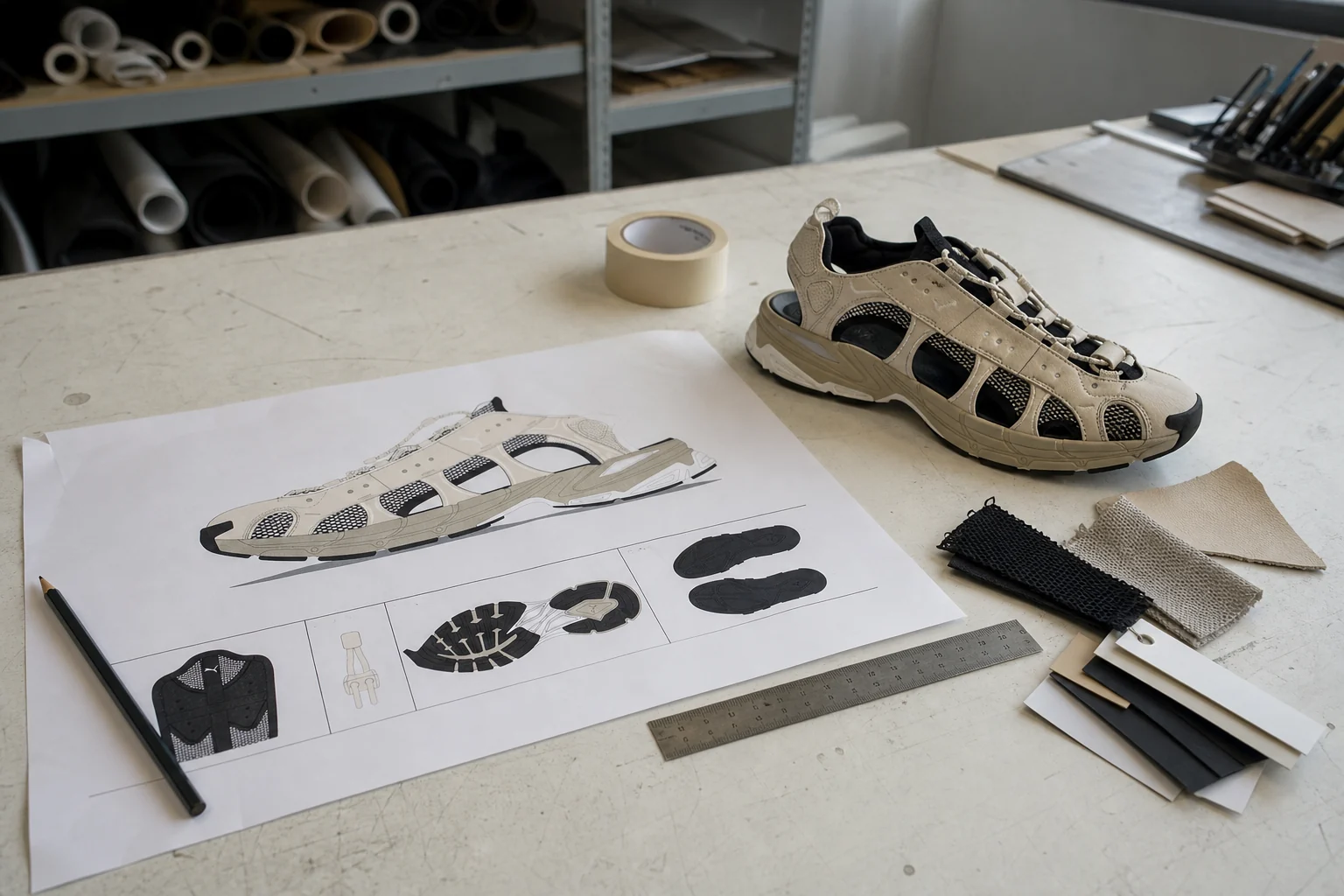
Editorial note: this guide was prepared with AI-assisted drafting and illustrative image generation, then reviewed and edited for practical sourcing relevance by ZWC’s team. It provides general operational guidance, not legal, regulatory, engineering, testing or product-compliance advice. The hero image is illustrative and does not depict a named client, supplier or ZWC project.