
Quick answer
Use Shiling as a search area for a leather-goods supply chain, not as proof that one seller performs every operation. Map the proposed material source, hardware route, development team and assembly site for your actual bag. Then identify who purchases each input, accepts it and resolves a failed handoff. A nearby component market can help locate options; it does not establish material suitability, repeatable assembly or responsibility for an order.
A leather-goods cluster is not one factory
A finished bag on a showroom shelf hides the route behind it. The seller may assemble bags, organize production elsewhere, supply materials, or combine several roles. That arrangement is not automatically a problem. The problem is comparing offers without knowing which role each business actually controls.
This guide is for overseas brands and importers planning a Shiling supplier search for private-label bags. The decision is whether a proposed chain has the necessary supply roles and clear handoffs—not whether a town has a good reputation. It complements product inspection and material-cost work rather than replacing either.
If your unresolved question is the shell material, start with that role. If it is the construction of the bag, ask who develops and assembles it. A list of material shops will not by itself identify the business responsible for reproducing your sample.
What the official regional information establishes
Shiling is in Guangzhou's Huadu District. A Guangzhou planning-bureau notice dated 18 May 2026 describes a Shiling leather-goods industrial area and a planning adjustment involving upstream and downstream businesses. It discusses space for manufacturing, research and development, and design. This is planning context, not evidence that a particular expansion is operating or available to your order.
A Huadu government article sourced to Shiling Town, dated 9 June 2026, describes activities spanning raw and auxiliary materials, design, manufacturing, testing services, trade and logistics. It is useful for identifying supply roles to investigate. Its regional output, market-share and promotional claims are not used here to approve suppliers or predict demand.
Neither source identifies your contracting party, material grade, actual producing site or delivery window. A cluster description also does not mean that all bags marketed there use genuine leather. Specify the intended material; do not let a regional label substitute for it. No relationship between ZWC and businesses named in the official notices is implied.
Build a role map before making a shortlist
Put the bag reference and current revision at the top of the map. Record the shell, lining, reinforcement, closures and branding elements separately. An unresolved choice should remain visible rather than being silently filled with the supplier's usual option.
| Supply role | What to identify for this bag | Evidence gap to resolve |
|---|---|---|
| Material source | Seller, proposed producer or source route, material reference and lot basis | Is the sample material connected to a repeatable supply proposal? |
| Hardware source | Closure and fitting references, finish description and supply route | Who supplies the parts actually proposed for assembly? |
| Development team | Pattern revision, sample-making role and external work | Who translates the design into buildable components? |
| Assembly site | Named site, operations performed there and outside stages | Does the proposed route cover the actual construction? |
| Receiving and release | Person or party accepting inputs and finished output | Who can hold work when evidence or components do not match? |
The evidence can be proportionate to the stage. An exploratory enquiry may begin with declared roles and relevant examples. Before committing to an order, a broad description such as “our partner supplies everything” needs a more specific route and agreed responsibilities.
Keep commercial identity separate from technical role. Ask who quotes and contracts, who receives payment and who physically performs the work. A trader may coordinate a useful chain; an assembly factory may also buy key inputs. Neither label alone proves control over the proposed project.
Choose how inputs will reach the assembly site
An assembler can purchase inputs within an agreed finished-bag scope, or the buyer may nominate or buy some components separately. Compare those arrangements explicitly. The second route is not automatically cheaper: it can leave the buyer responsible for quantities, timing, replacement and disagreements about suitability.
If the assembler purchases the materials, ask which references are included and how their supply will be confirmed. If the buyer purchases them, ask what the assembler needs to review before accepting delivery. Sending a parcel of attractive leather and fittings does not prove that the proposed construction can use them without further work.
Document whether quoted development work, component sourcing, transport between parties and replacement costs belong within the offer. Do not add an assumed saving for eliminating a middleman. A coordination function still has to be performed, and the comparison should show who performs it.

Map the handoff, not only the supplier names
The practical risk often sits between otherwise plausible businesses. A component supplier may accept its own reference while the assembler finds that the delivered part does not fit the agreed bag detail. Without an assigned decision owner, each party can point to the other's approval.
| Handoff | Question to settle before release | Hold condition |
|---|---|---|
| Material source to cutting | Who accepts the identified material against the agreed reference? | Incoming supply cannot be linked to the approved material direction |
| Hardware source to development | Who checks the proposed part with the actual attachment detail? | Separate component approval is presented as finished-detail approval |
| Sample team to assembly | Which revision and unresolved changes transfer to the producing site? | The approved sample relies on an unexplained different route |
| Purchased inputs to assembler | Who verifies quantities, incoming condition and acceptance? | Receipt is treated as acceptance without an agreed review |
| Assembly to final release | Who records a mismatch, decides disposition and funds agreed correction? | No party owns the next action when a handoff fails |
This is a responsibility framework, not a test standard or a legal allocation imposed by this article. The parties must agree their obligations. Product criteria and any destination requirements need the responsible technical and compliance input for the actual bag.
For material-cost work after the supply route is identified, use the leather cutting-yield comparison guide. For product checkpoints, see the handbag quality-control plan. Those are different decisions from choosing the parties and interfaces in the chain.
Plan visits around the largest unanswered question
Use the role map to decide what a visit should resolve. A material-market stop can identify candidates and references; a sample-room meeting can clarify development; an assembly-site review can address the proposed production route. Do not count several convenient showroom visits as evidence for all three functions.
Ask in advance whether the relevant people, components and operation will be available. If an outside process matters, clarify how its evidence or access will be obtained. Do not invent a fixed local sourcing itinerary, assume that every supplier welcomes visitors, or treat geographic proximity as a confirmed delivery advantage.
After each meeting, update the map with what was observed, what was stated and what remains unverified. Keep another supplier's name from becoming a substitute for a confirmed handoff. The goal is a chain you can question and verify, not a large contact list.
Decide what can move forward
- Continue the search: the proposed business has a useful role, but the other stages remain unidentified. Keep it as a lead, not an approved complete supplier.
- Request interface evidence: the roles are clear, but component-to-bag suitability or the sample-to-production transfer remains unresolved.
- Continue qualification: the route, purchasing arrangement and handoff owners are identified, with a project-specific plan to close remaining questions.
- Hold the order: a fixed requirement has no accountable owner, or the quoted scope depends on an unexplained material or construction change.
These are buyer-side decisions, not a score for all Shiling businesses. A transparent limited scope can be preferable to a broad promise that nobody can explain.
Send a supply-chain brief, not just a bag picture
Share the bag drawing or reference, current revision, material direction, closures and branding, indicative quantity by variant, destination and unresolved sourcing question. State whether you want an integrated finished-bag offer or intend to buy particular inputs separately.
ZWC's private-label bag development page explains the existing sourcing and coordination scope. For a search discussion, use supplier mapping or a project brief. Supplier access, development work, material availability and commercial responsibilities require project-specific confirmation. The article does not promise a Shiling factory partnership or a completed manufacturing outcome.
Primary sources
- Guangzhou planning bureau: Shiling industrial-area planning adjustment, published 18 May 2026; original official page rechecked 14 October 2026. Used for location and planning context, not completed capacity, supplier approval or company relationships.
- Huadu government: Shiling regional industry development, published 9 June 2026, sourced to Shiling Town; rechecked 14 October 2026. Used for described supply-chain activities only. Regional output/share figures, awards and promotional performance claims omitted. Both are local-government references, not independent supplier audits.
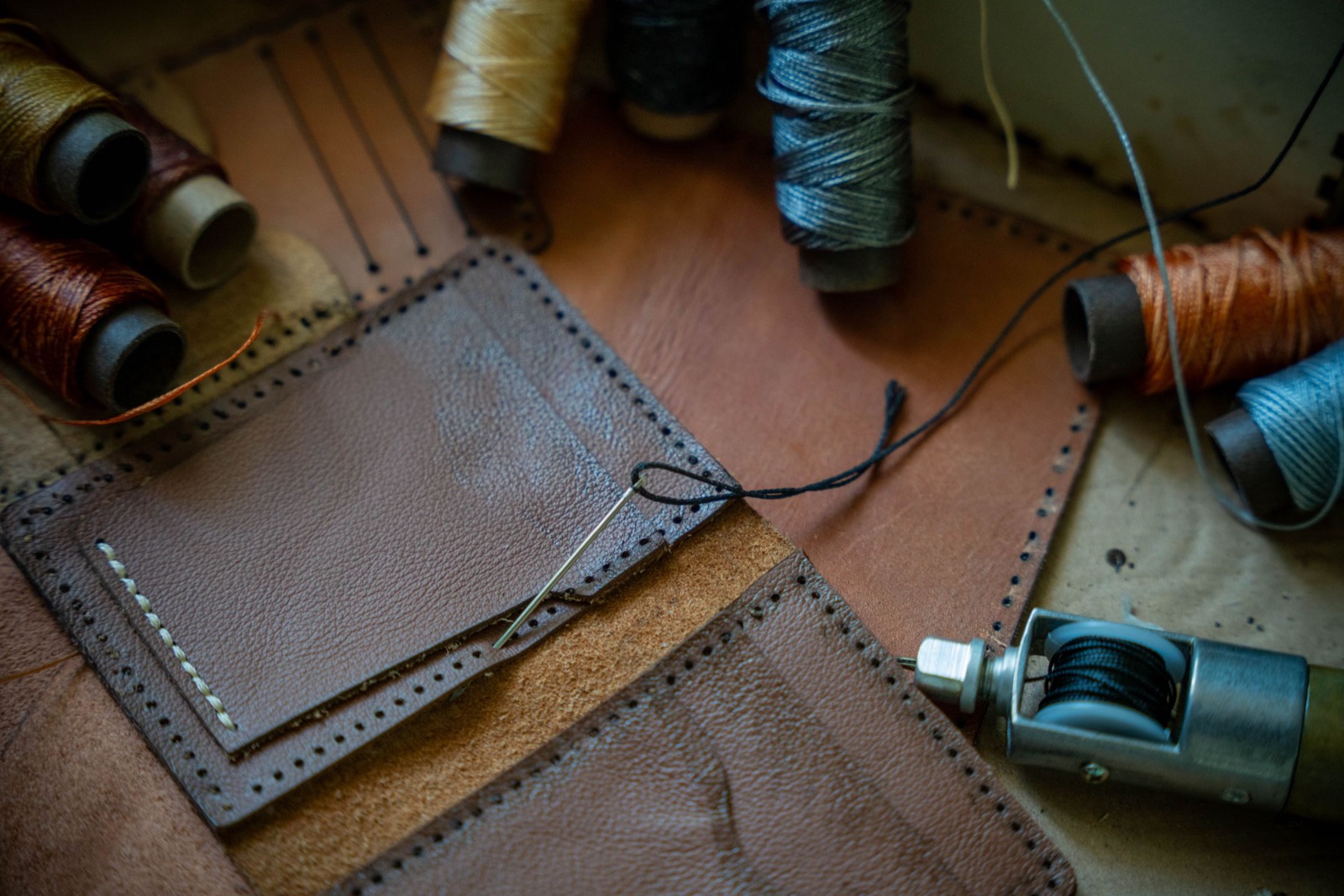
AI assisted with text, not photography. Licensed illustrative photographs by Jean-Philippe Canto and Andrea Piacquadio / Pexels under the Pexels License. They are not Shiling locations, ZWC suppliers, team members, customer projects or evidence of production capacity. No endorsement by the depicted person is implied.