
Quick answer
Use a grid-demand headline to decide what to investigate, not what equipment to order. Before increasing a sourcing commitment, identify the country, project owner, equipment family, project stage and next approval. Keep the original signal beside the evidence that connects it to an actual requirement. A market forecast can justify supplier research; it cannot supply an approved specification, a delivery promise or a purchase quantity.
A busy market can still produce the wrong enquiry
An announcement about more grid investment may seem like a reason to obtain transformer prices immediately. The missing link is often the product. Spending may cover lines, substations, civil works, monitoring or other equipment. Even when transformers are included, the project may not yet have an approved equipment schedule or a funded procurement package.
This matters to an importer, distributor or project purchasing team deciding how much work to authorize. A general supplier search is reversible. Reserving production capacity, paying for development or committing to inventory may not be. Match the commitment to the evidence rather than treating every positive headline as an order waiting to happen.
The method below organizes commercial research. It does not select electrical equipment, forecast sales or establish that a particular manufacturer can supply a project.
Read the date underneath the headline
The IEA's February 2025 transmission-grid report draws on a 2024 industry survey and focuses on transmission infrastructure. Its historical discussion of large power transformer procurement is not a current lead-time quotation for a distribution or control transformer.
The US Department of Energy's supply-chain page separately discusses US distribution equipment and compares 2019 with 2023 lead times. Reading that page today does not turn its older observations into 2026 worldwide delivery data. Keep publication date, observation period, geography and product scope in separate fields.
The IEA's Electricity 2026 grids chapter also considers ways to accommodate connections using existing infrastructure. That is an important counterexample to a simple conversion from queued capacity to new transformer purchases: not every response is a new equipment order. Do not multiply an investment total or a capacity figure by an assumed transformer price to create an addressable market.
Name the equipment before measuring an opportunity
Keep large power, distribution and control applications in separate research lanes. A supply constraint affecting one lane does not establish scarcity, suitability or margins in another. Country-level electricity demand is an even broader signal.
At the research stage, ask the project owner or responsible technical party to identify the equipment family and application. Record uncertain classifications as uncertain. A catalogue image, a broad capacity description or a supplier's use of the word “transformer” should not settle the question.
Do not have a sourcing coordinator fill in missing electrical values to make an enquiry look complete. Qualified engineering and the relevant approving authority must establish the actual requirements. The commercial question here is whether enough project evidence exists to request that next piece of work.
Use a commitment ladder
The following is an original decision organizer, not a utility procurement procedure. Adapt the commercial stages to the actual buyer's authority and controls.
| Evidence available | Proportionate next action | What does not yet follow |
|---|---|---|
| National spending plan or broad demand forecast | Monitor the named programme and identify the relevant buyer organizations | A supplier order, awarded package or product quantity |
| Named project with a visible owner and stage | Ask who owns equipment scope and which decision comes next | Approved design, funding or permission to solicit binding bids |
| Defined equipment family, but technical inputs still open | Discuss supplier capability or a clearly limited budget exercise | A comparable, order-ready quotation |
| Authorized enquiry with approved inputs | Use the controlled RFQ process and record supplier deviations | Technical acceptance merely because a price is received |
| Reviewed offer with agreed responsibilities | Let the authorized buyer decide the contractual next step | Guaranteed delivery, installation approval or a ZWC performance warranty |
The useful output from an early conversation may be a named owner and a missing document, not a price. Stopping at that point is a valid result if the unresolved issue belongs to engineering, funding or the utility.
Keep one signal-to-project register
Do not let the original evidence disappear when a lead is forwarded. A short register makes it possible to distinguish a real change from a more confident retelling of the same announcement.
| Field | Record | Recheck or hold condition |
|---|---|---|
| Original signal | Issuer, source link, publication date, data period and geographic scope | A repost or undated summary cannot replace the original |
| Proposed relevance | Equipment family and the reason it may be involved | The link from macro signal to this product is still an assumption |
| Project evidence | Named owner, public stage and source of any stated quantities | No named requirement or authority behind the quantity |
| Next decision | Monitoring, discovery, budget request or formal enquiry | Someone is treating an early-stage response as a commitment |
| Responsible owner | Person authorized to resolve the next commercial or technical question | Procurement is being asked to approve an engineering input |
| Revision trigger | Changed scope, date, funding, approval or supplier assumption | Old information is being reused after a material change |
This is a blank working framework, not evidence that ZWC has a project pipeline or access to confidential utility plans. Share only the information necessary for the agreed discussion, using an appropriate channel for sensitive infrastructure documents.
Test a supplier statement at its actual scope
“We can manufacture transformers” is not yet a response to a defined application. Early capability discussions should identify the product range actually manufactured, the offered supply boundary and the documents that can support the next review. Keep a trading or coordination role distinct from manufacturing responsibility.
A promised lead time also needs a basis. Ask what starts the clock, which approvals or inputs remain outstanding, and what scope the indication covers. The answer belongs to that supplier and configuration; it is not verified by a general market report. Do not present an indicative schedule as a reserved production slot.
There is no universal shortage premium, guaranteed margin or China-side delivery advantage in this framework. Compare actual offers only once the relevant assumptions are visible. If the requirement changes, revisit the commercial basis instead of attaching a new product name to the old budget.
Move to the RFQ only when the evidence supports it
Once an authorized project has approved technical inputs, use the existing distribution-transformer RFQ data-pack guide for document control, deviations and quotation comparison. This article deliberately stops short of recreating that technical schedule.
For an initial China-side sourcing discussion, provide the destination, intended equipment family, project stage, approving party, known quantity basis and the question that needs resolving. Contact ZWC to discuss whether a supplier-search or comparison scope fits. Category capability and responsibilities require separate confirmation.
ZWC is not claiming utility approval, transformer engineering, laboratory certification, installation services or guaranteed availability through this article. Technical selection, standards, testing and safe system integration remain with qualified responsible parties. No energized-work instructions or operating settings are provided.
Primary sources and editorial disclosure
- IEA: Building the Future Transmission Grid, 25 February 2025; executive summary. Historical transmission supply context.
- IEA: Electricity 2026, 6 February 2026; Grids. System-level context, not product orders.
- US DOE: Supply Chain and Market Analysis. Undated page in the retrieved body; dated observations must retain their scope.
Sources rechecked 31 October 2026. AI assisted with organizing this original procurement framework, not photography. No physical tests, customer case, supplier quote, forecast or professional engineering approval is represented.
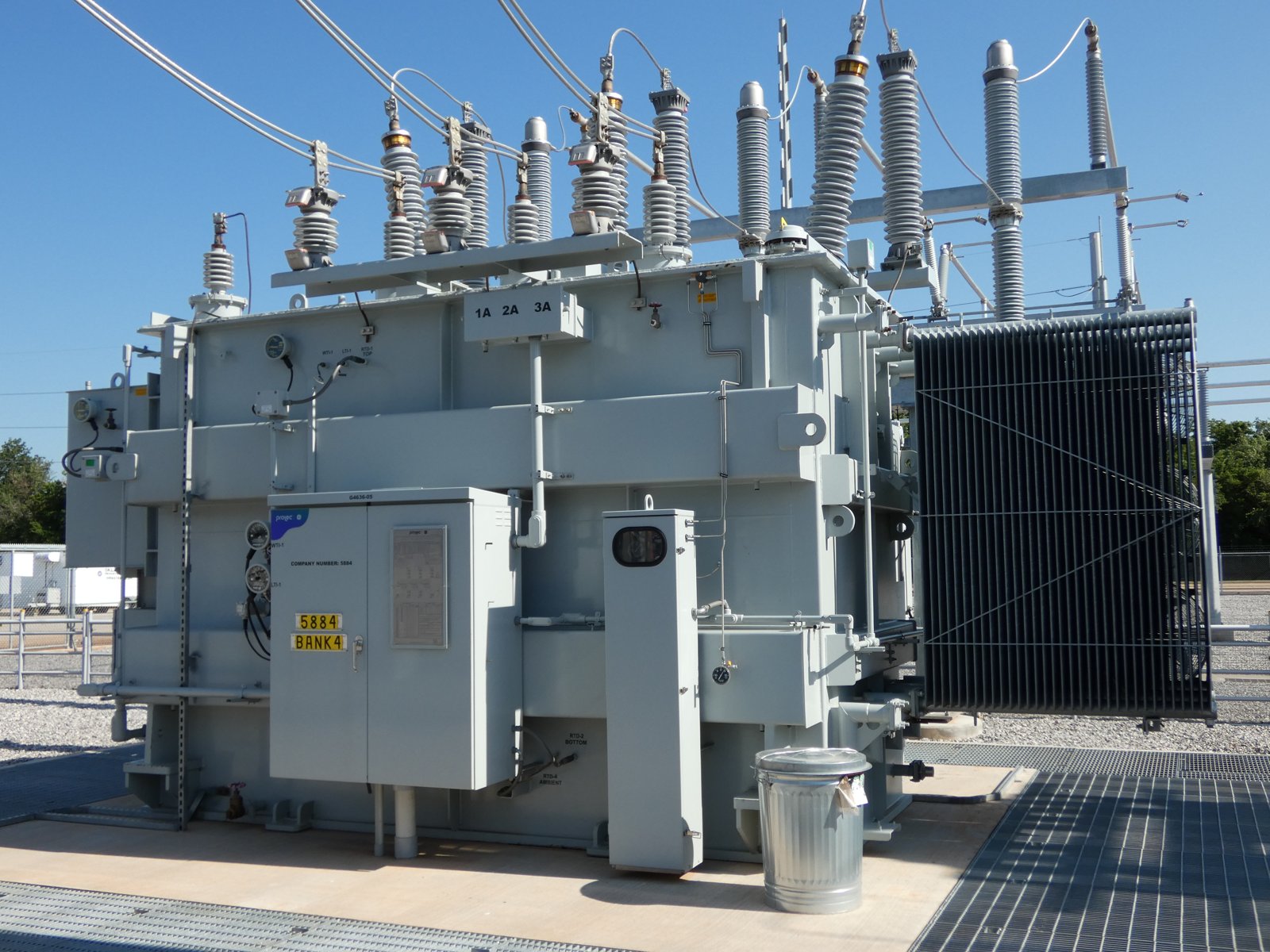
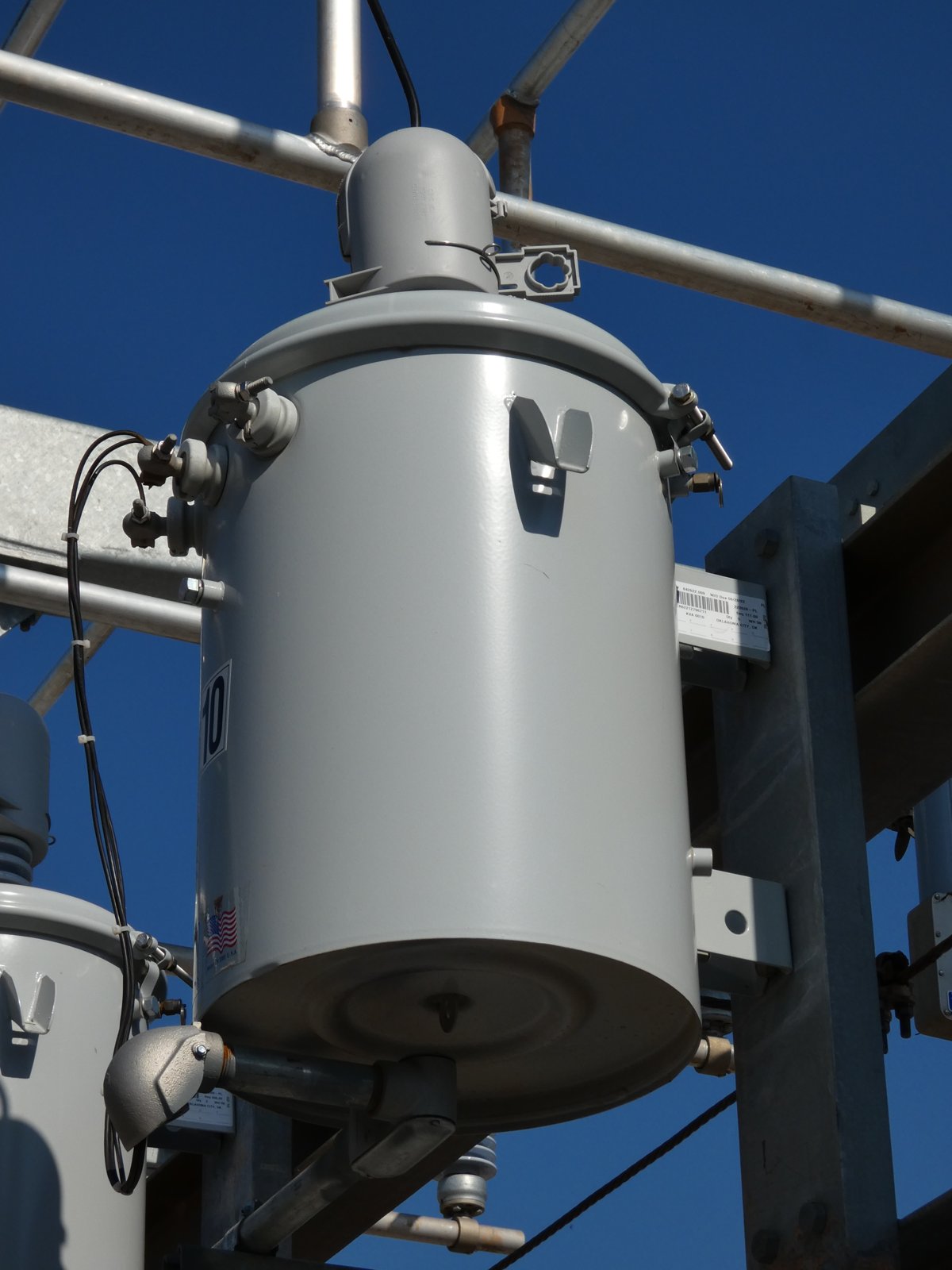
Hero: Substation Power Transformer 1 / Yoshieslunchbox, 16 June 2024, CC BY-SA 4.0. Full-frame proportional resize and JPEG compression; no AI retouching. Supporting image credited above under the same licence. Both historical archive photographs and their derivatives remain CC BY-SA 4.0, separately from the original article and tables and excepted from the site general all-rights-reserved notice. No ZWC site, supplier relationship, technical rating, condition, current availability or photographer/utility endorsement is verified by either picture.