
Quick answer
Choose a China footwear search area after identifying the construction and development task, not before. Use official regional information to locate possible suppliers and supporting businesses. Then ask each candidate to show a comparable product route, the relevant component sources and what must change to make your shoe. A cluster can provide useful search leads; it cannot establish fit, material suitability, current capacity or repeatability for a particular order.
The wrong starting question creates the wrong shortlist
“Which city makes the best shoes?” combines several decisions that should be separated. A fashion sandal, a textile-upper sneaker and a leather boot may all appear in a footwear directory, but the evidence needed to develop them is not interchangeable.
Before booking a sourcing trip, ask a more practical question: which part of this project is unresolved? You may need an upper-material developer, a compatible sole source, a last and pattern adjustment, or a finished-shoe factory able to repeat an already defined construction. A long list of finished-shoe sellers is not necessarily useful for a component-development problem.
This guide is for overseas footwear brands and importers preparing a China search. It offers a method for selecting search areas and screening construction fit. It is not a ranking of regions, a supplier recommendation list or a technical specification for manufacturing shoes.
Read regional information for the activity it actually describes
Three official or government-hosted references illustrate different search signals. They are deliberately not converted into a universal regional specialization chart.
| Search area | What the cited source describes | Useful next question for your project |
|---|---|---|
| Houjie, Dongguan | A May 2026 local-government overview describes footwear production, development, procurement and shoe-material markets | Does the candidate provide the needed development function, or only sell finished products? |
| Jinjiang, Fujian | An August 2026 municipal report describes locally developed footwear-upper materials within a textile and footwear new-product announcement | If the unresolved issue is an upper material, who develops it, who supplies it and who makes the finished shoe? |
| Wenzhou, Zhejiang | A July 2025 CGTN report hosted on the Wenzhou government information site identifies footwear manufacturing activity | Which named factory has evidence for the intended construction, rather than simply a local address? |
The sources are linked below. Their value is locating activities to investigate. Houjie's promotional language does not establish that every local business performs all listed functions. The Jinjiang announcement is not independent proof of a material's performance or commercial availability for your order. The Wenzhou reference is dated industry context, not today's capacity assessment.
Other regions may be appropriate. This is not an exhaustive China footwear map. No current output totals, national shares, lowest-price claims or government recognition are used to approve a supplier. The named regions are not proof that ZWC has visited, audited or contracted every business there.
Build a construction fingerprint that suppliers can answer
Create one short reference package before distributing the enquiry. Include the intended shoe, upper and lining direction, bottom arrangement, last or fit status, size range and the development question. Describe which decisions are fixed, which are proposals and which remain unknown.
Avoid asking suppliers to infer construction from a single side-view photograph. If the attachment method or component arrangement is not yet decided, state that explicitly and request a separate proposal. Comparing an undefined design with a factory's familiar display shoe can conceal a substantial redesign.
| Fingerprint item | Evidence to request from a candidate | Do not infer from |
|---|---|---|
| Upper material and assembly | A relevant material reference, comparable upper work and declared external stages | A similar color or silhouette |
| Last and fit starting point | Proposed last/reference relationship and what requires development | A sample in only one size |
| Bottom arrangement | Proposed sole source, existing versus new tooling and component compatibility work | A separate sole photograph |
| Construction route | Explanation of the proposed assembly route and a comparable product | A catalogue category called casual or sports |
| Development changes | Itemized changes to the reference, ownership and approval responsibility | A quotation that silently substitutes the supplier's standard design |
| Production-intent evidence | A plan for representative trial output using the intended route | A handmade presentation sample alone |
This is a buyer working framework, not a test standard. Your responsible product team must define technical criteria, intended use and destination requirements. Do not turn the table into unverified universal tolerances or assume that a visual match establishes safety or performance.
Separate familiar construction from demonstrated project fit
A supplier may show a relevant example yet still need to change the upper material, last, sole or component source for your project. Ask what is carried over and what is new. The more items that change together, the less the old sample can explain about the proposed shoe.
For a textile-upper design, clarify whether the candidate develops the upper material itself, buys it in or relies on another developer. A materials announcement in the region is only a lead to that conversation. It does not identify the final assembly factory or prove that the material works with the proposed bottom arrangement.
For a leather design, the comparison should include the actual material direction and finish, not just a broad leather-shoe label. For a sole-led project, identify who resolves compatibility with the upper and last. These are questions for named candidates in any region; they are not claims that one town owns a particular construction.
Use our footwear sourcing page and China shoe-sole supplier guide to frame the relevant enquiry. The aim is to find the right supply role before requesting a general price.
Plan the trip around unresolved interfaces
Arrange visits only after reviewing the fingerprint responses. A sample-room meeting may help resolve last and pattern development; a component-source meeting may answer a different question. Seeing both does not automatically qualify the handoff between them.
Write the missing interface beside each proposed stop: upper-to-bottom compatibility, tooling access, external material development or the transfer from sample work to the intended production route. Ask whether the relevant people and materials will be available. A convenient tour of a showroom should not replace access to the operation that matters.
Keep suppliers from different regions on the same brief revision. If one proposes a different construction, record it as an alternative design rather than treating its quotation as a like-for-like regional cost comparison. Separate the possible benefit of the redesign from the cost of development and the evidence still required.
Use bounded shortlist decisions
- Keep for development: the route is plausible, but the new material, fit or component interface remains unresolved. Do not call this production approval.
- Request focused evidence: the candidate has a comparable product, but has not explained the project-specific changes or external dependency.
- Continue qualification: the proposed route, responsibilities and trial plan address the fingerprint. Technical and commercial acceptance still require the agreed evidence.
- Remove from this shortlist: the candidate cannot meet the fixed construction brief, or can only offer a redesign that the buyer does not want. This says nothing about its suitability for another project.
These decisions keep the shortlist tied to the buying problem. They also allow an honest supplier to say that a project is outside its usual route without being labelled unreliable.
Send a construction-led search brief
Share the footwear reference, fixed construction decisions, materials, last and fit status, size/color assortment, indicative quantity, destination and the main development gap. Add any region preference and explain whether it is a travel constraint, a known component lead or simply a starting hypothesis.
ZWC can discuss a supplier-mapping scope and the evidence to request through a sourcing brief. Actual supplier access, materials, development responsibilities and order terms require project-specific confirmation. No regional address, official profile or photograph substitutes for that work.
The useful result is not a city name. It is a shortlist whose candidates can explain how they would make the intended shoe, what they would change and which unanswered question comes next.
Primary sources
- Houjie government footwear overview, published 21 May 2026; rechecked 13 October 2026. Activity categories only; promotional superlatives and statistics omitted.
- Jinjiang government upper-material announcement, published 24 August 2026; rechecked 13 October 2026. Used for described local material-development activity, not performance validation, supplier access or current availability.
- CGTN's Wenzhou industry report hosted by the Wenzhou government information site, updated 15 July 2025; rechecked 13 October 2026. Footwear activity only; no current tariff or capacity conclusion.
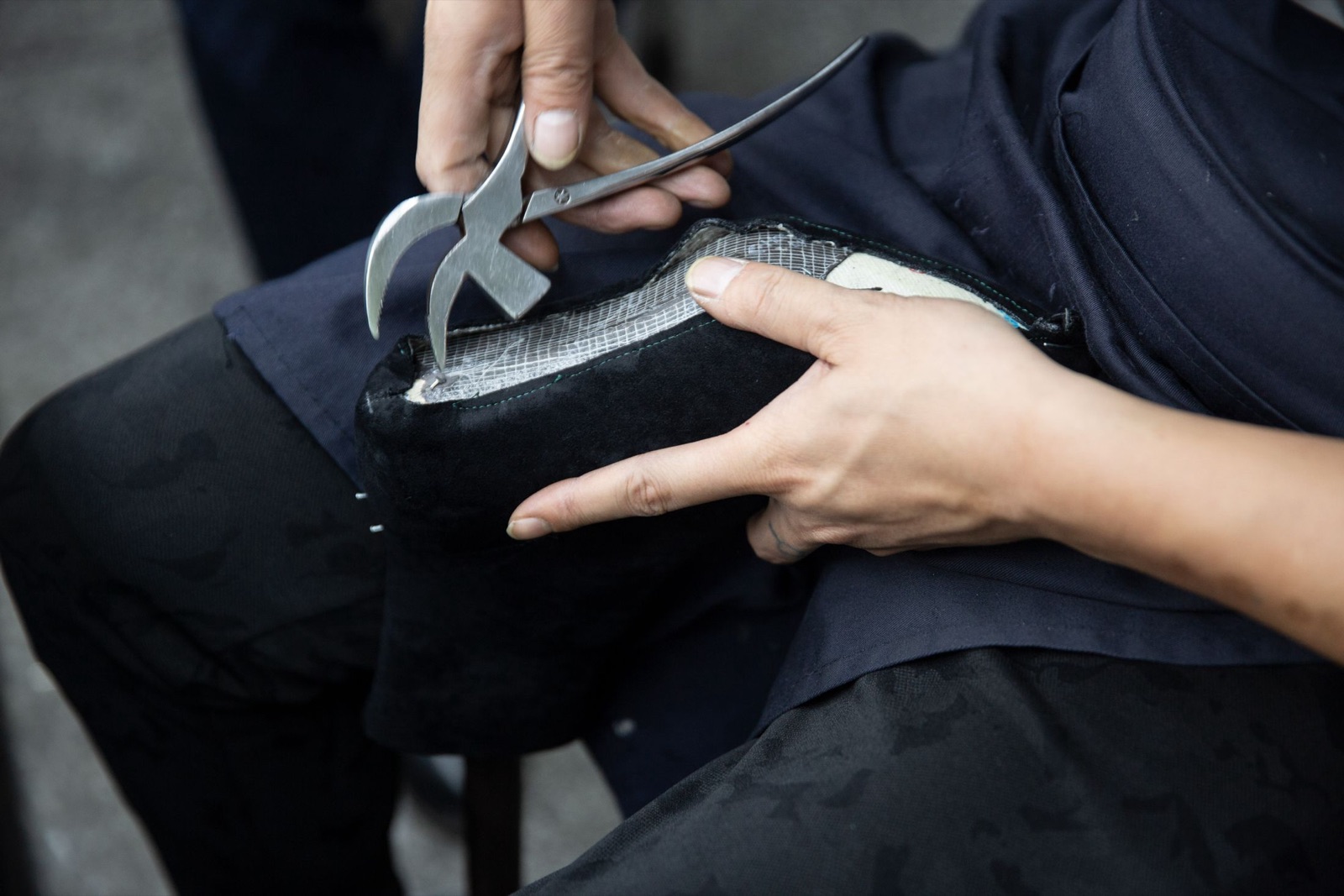
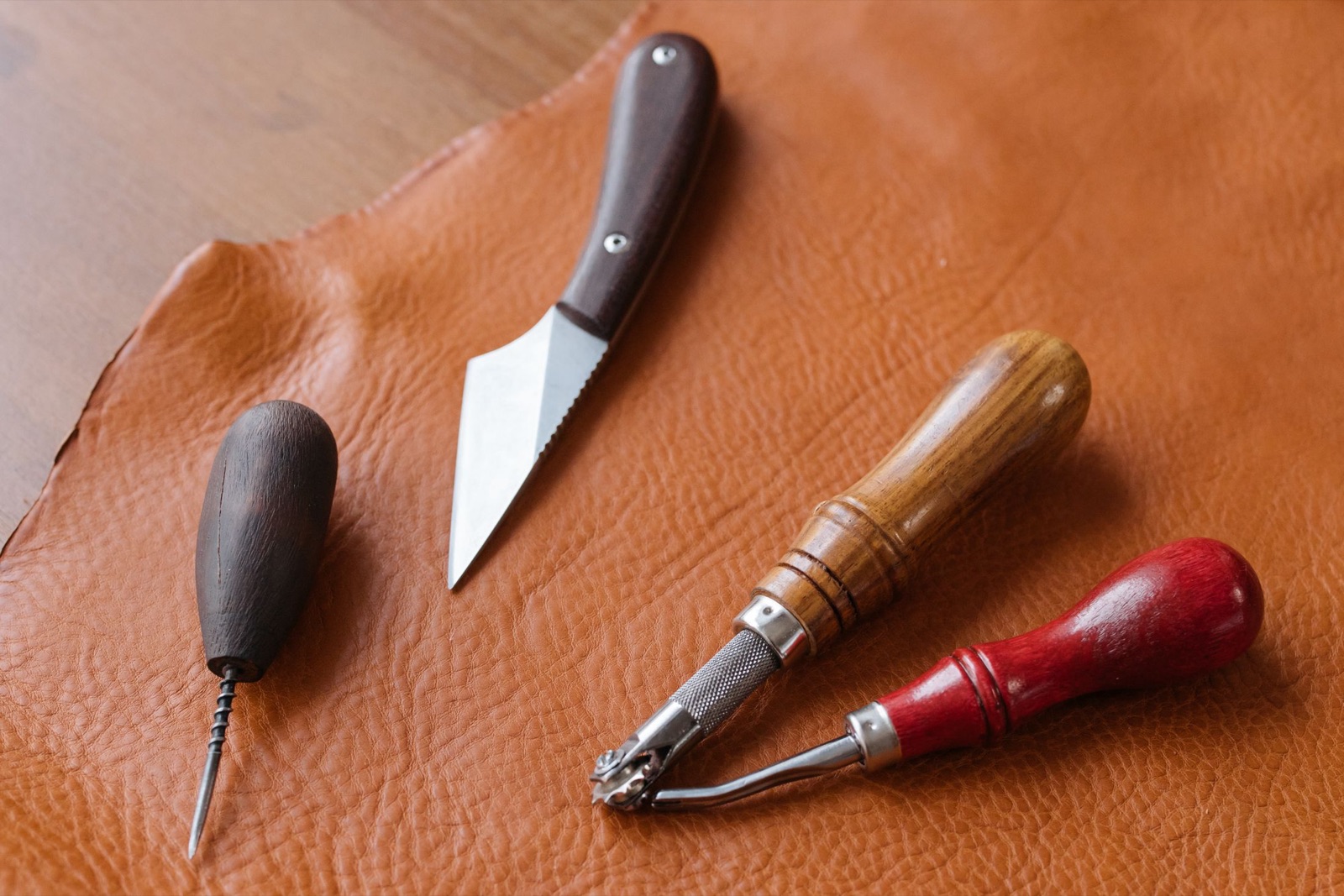
AI assisted with text, not photography. Images by Bella Zhong / Pexels and cottonbro studio / Pexels, under the Pexels License. These illustrative craft and material photographs do not show the regions discussed, ZWC suppliers, audited factories or verified production capacity. No endorsement by the depicted person is implied.